




How to stop mould growing on your bathroom ceiling

Fancy a mystery offer? Unlock yours →
Mould has a habit of showing up uninvited and unfortunately your bathroom ceiling is one of its favourite places to make itself at home.
The really frustrating bit is even after you’ve cleaned it away, those familiar black spots can start creeping back before you know it.
The thing is, cleaning it only removes the mould you can see, it doesn’t tackle the actual reason the mould developed in the first place. Unless you tackle that too, the mould can keep coming back.
So what’s the right way to stop mould growing on your bathroom ceiling?
In this guide, we will cover:
Between hot showers, baths and damp towels drying on radiators, your bathroom has plenty of moisture to deal with. But how does all that moisture end up as mould on your ceiling?
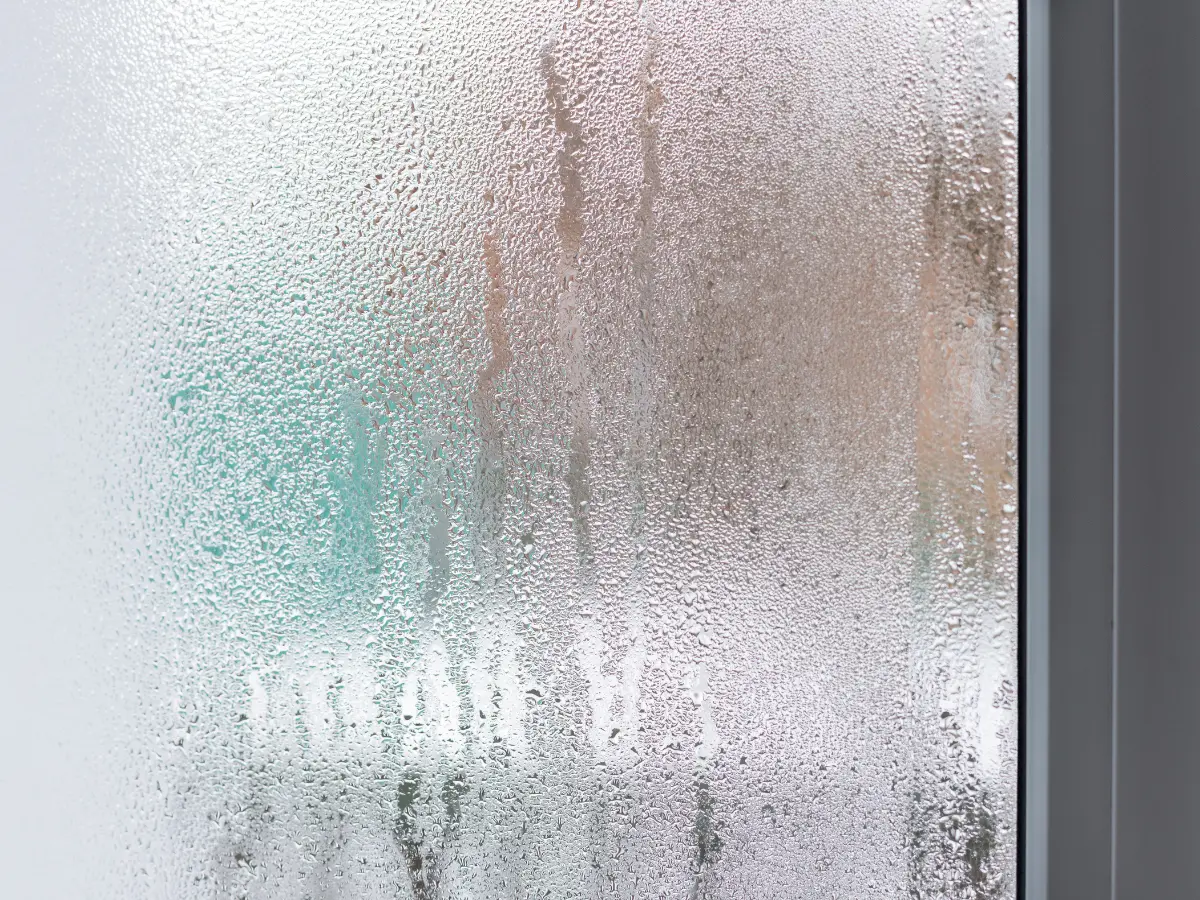
As warm, moisture-filled air rises and circulates around the bathroom, it comes into contact with your ceiling, which is often much colder than the air around it. This cools the air next to the surface, causing some of its moisture to turn into tiny water droplets.
That’s condensation and when it keeps collecting on your ceiling without enough time to dry out, it creates the ideal damp conditions mould needs to grow.
Of course, a bit of condensation doesn’t mean you’ll suddenly have mould everywhere.
It’s when that moisture keeps returning that mould has a chance to take hold.
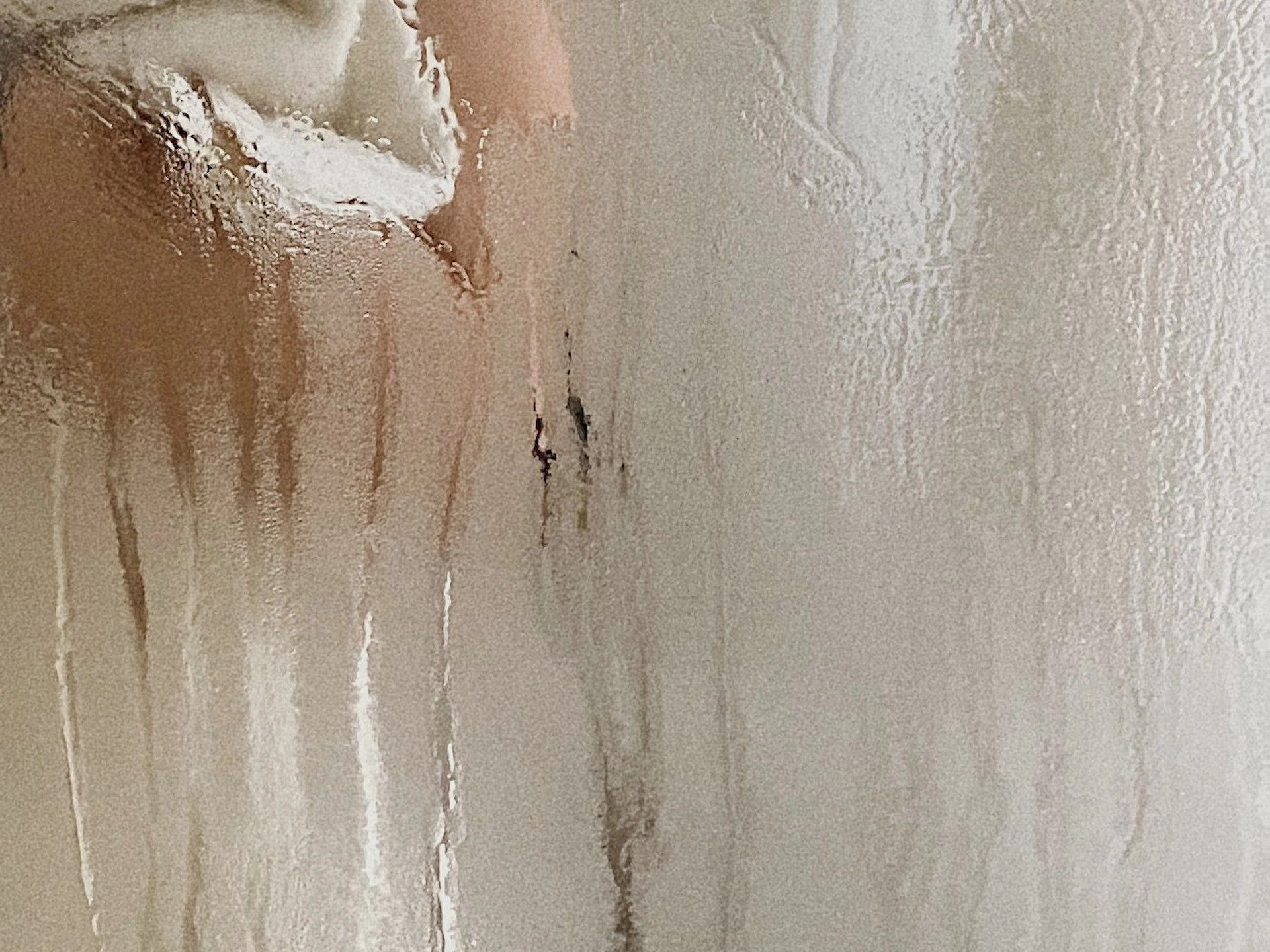
There are a few things that can make this more likely in your bathroom:
In most homes that get mould in their bathroom, it’s usually a combination of these things rather than just one. That’s why you can clean the mould off your ceiling, only to find those same black spots returning a few weeks later.
The thing to remember too is moisture in your bathroom is a natural part of everyday life. Nobody’s going to stop showering or drying towels inside, and you shouldn’t have to. The aim isn’t to get rid of moisture altogether, but to manage how much builds up, how quickly it can escape and how easily it forms condensation on colder surfaces like your ceiling.
Heroes Fact
THE HEROES TECHNICAL TEAM
So, let’s talk about the important bit, how to actually stop the mould so you’re not back doing the job in a few months’ time.
Remember, there isn’t one universal solution to a mould-free home.
It’s about managing how much moisture builds up in your bathroom, how effectively it escapes and how easily it can form condensation on your ceiling.
The first place to start is with the moisture you are creating in your home, but let’s face it, in a busy family home where everyone’s fighting for the shower in the morning, cutting down on shower time isn’t always realistic!
There are small things you can do, like using a squeegee to remove water from shower screens and tiles before it evaporates and avoiding leaving damp towels drying in the bathroom, instead leaving them somewhere with better ventilation.
It’s also worth keeping the bathroom door closed while showering, so all that humid air doesn’t spread into the rest of your home.
Your extractor fan is your best friend here, as you want to help release as much moisture after showering as possible. Try to run it during showers and for at least 20 minutes afterwards.
It’s always worth checking it vents outdoors and that it is functioning properly when turned on, as you would be surprised how many don’t work quite as well as you’d expect.
The biggest thing you can do is the obvious one and that’s opening a window both during and after showering. Nobody wants to step out of a hot shower into a freezing bathroom, especially in winter, but it is one of the simplest ways to reduce the risk of mould.
Heroes Fact
THE HEROES TECHNICAL TEAM
Even with good habits, particularly cold areas of your ceiling can still collect condensation and lead to mould over time. That’s why you need to think about the surface itself.
If there’s an unheated loft above your bathroom, check for missing or uneven insulation, especially around the ceiling edges, corners and loft hatch.
Those areas can leave areas of your ceiling colder than others, which are exactly what condensation forms on.
But insulation isn’t necessarily the problem in every home. Even a well-insulated bathroom can struggle with condensation, which is where paints can step in to help.
Some paints are designed to reduce condensation forming on the surface, while others help discourage mould growth.
The important thing is understanding what each paint actually does, because not all paints promising to tackle bathroom mould work in the same way. Let’s break them down a little bit more for you.
So when it comes to protecting your ceiling, the paint you choose can make a difference too. The tricky part is knowing what you’re actually getting from the different options you have.
You’d think buying a paint to stop mould would be fairly straightforward. You’ve got mould, you buy an anti-mould paint and job done. It’s not quite that simple unfortunately.
The tricky bit is, not all paints promising to tackle mould actually work in the same way.
Some help stop mould growing, while others tackle the moisture that’s making your ceiling such an inviting place for it in the first place.
Standard bathroom paint that you’ll see on the shelves of most DIY shops is an emulsion that’s designed to cope with steamy bathrooms, usually with a washable, moisture-resistant finish. That doesn’t always mean it prevents condensation forming on your ceiling, so mould could begin to develop again.
Traditional anti-mould paint takes things a step further, typically using mould-inhibiting ingredients to hold back mould growth on your ceiling. This sounds more promising, but it’s fighting the mould itself, rather than tackling the moisture that’s allowing it to grow in the first place. That means the conditions mould needs to make a return are still there.
Anti-condensation paints take a different approach, tackling the moisture that helps mould grow rather than simply fighting the mould itself.
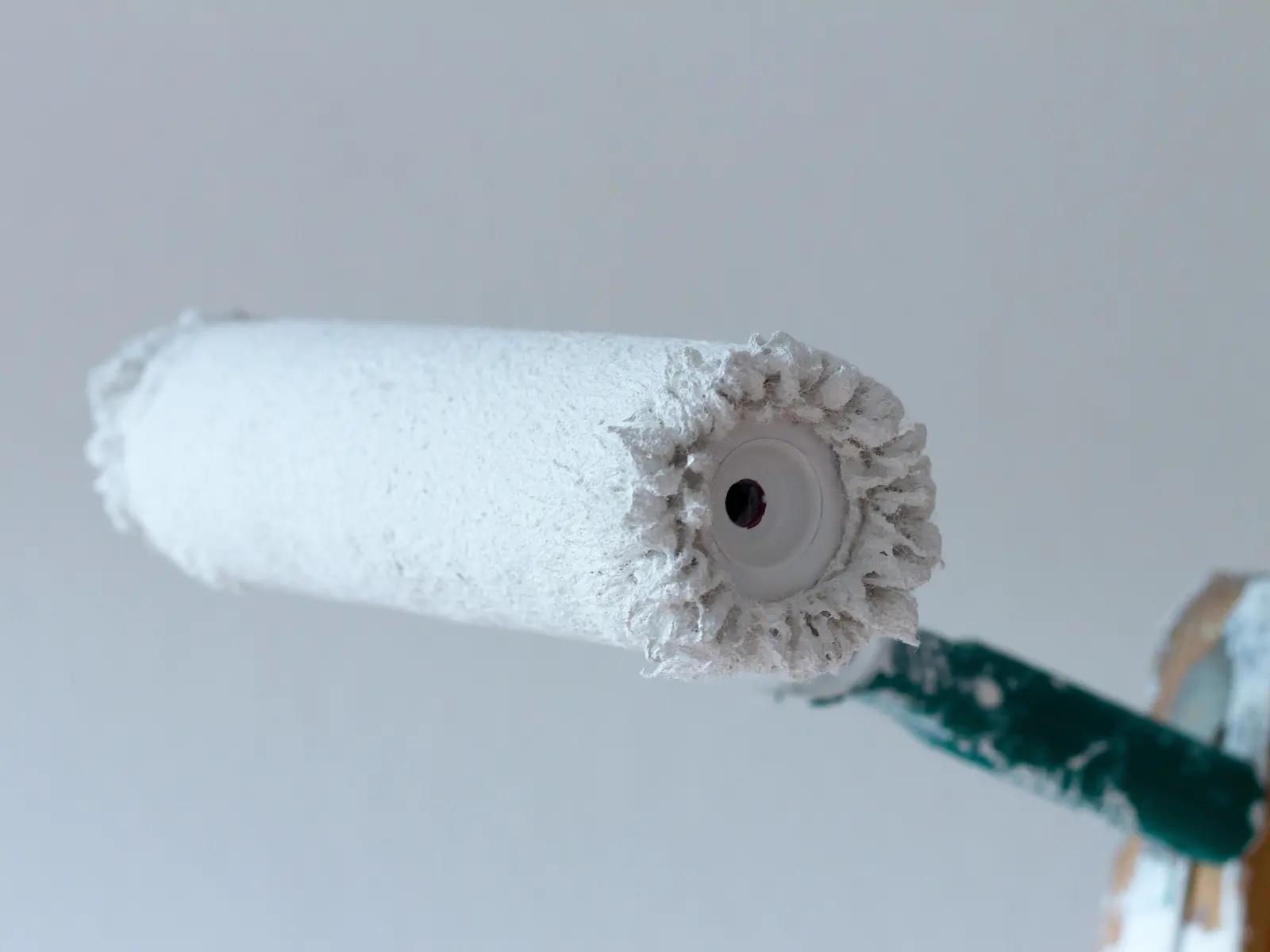
Now we’re getting somewhere because we’re addressing one of the conditions that allows mould to develop.
But what’s worth knowing is that just because two paints are designed to reduce condensation doesn’t mean they’ll reduce it by the same amount. When you’re trying to stop mould returning, that difference really matters.
It’s something we thought a lot about when developing our answer to mouldy bathrooms, Heroes Shield.
We knew anti-condensation technology already existed, but we wanted to see how much further we could take its performance.
So we focused on improving the performance of anti-condensation paints, developing our clever Micro-Sphere Technology to help walls and ceilings absorb warmth from your home and retain it for longer, significantly reducing the amount of condensation forming on the surface.
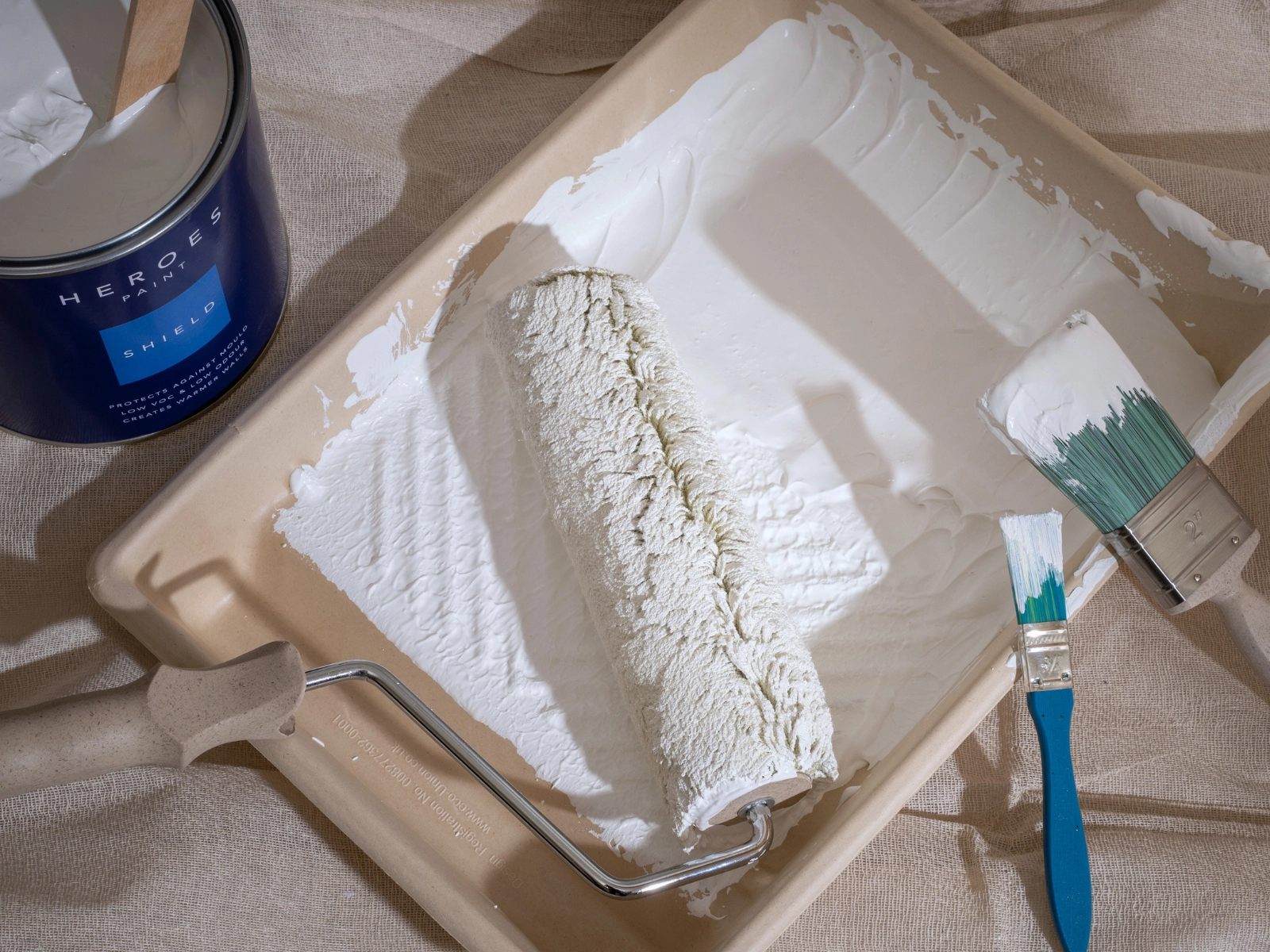
But does it actually work? We had Heroes Shield independently tested alongside standard paint, traditional anti-mould paint and a leading thermal anti-condensation paint.
The result?
We also found that, compared with standard paint, the surface was up to 3°C warmer and retained warmth for 25% longer, helping explain why significantly less condensation formed.
That means considerably less moisture collecting on walls under the controlled test conditions, even compared with a paint already designed to tackle condensation.


We’ve covered quite a bit about what different paints can do, but there’s still the practical side of getting your bathroom decorated.
The chances are you’ve probably painted a ceiling before, but when mould’s been involved, there are a few things worth doing differently. Plus, taking a bit of time now can really make sure that paint lasts for years before you have to do it again.
The last thing you want is to spend time redecorating, only to find the paint peeling or those familiar black spots returning. Getting a few things right now is well worth a little bit of time and effort.
The most crucial part of any decorating project, as any pro decorator will tell you, is the prep. It’s not the most sexy part of the project, but it really does pay to do it properly.
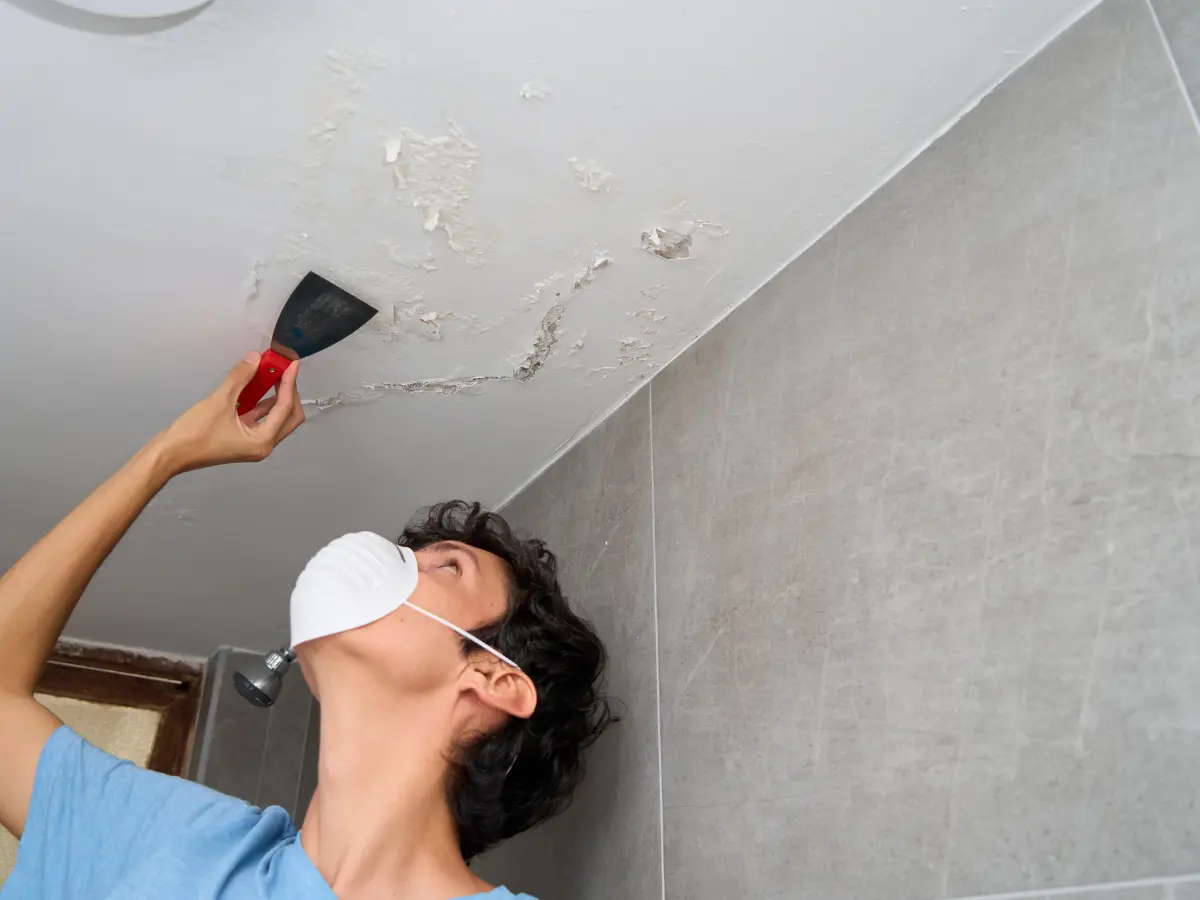
We’ve already covered removing the mould, but before painting take a closer look at the condition of your ceiling. The chances are if you’ve had a moisture problem, the surface of the paint may have begun to break down.
Remove anything loose, fill and sand any imperfections, plus make sure the surface is sound and completely dry.
If you’ve exposed bare plaster or filler, we recommend applying a specialist primer to these areas to help stabilise them before you paint.
No matter which paint you’re using it’s worth checking the application instructions before you start. You’d be surprised how different the drying times, coverage rates and other little details vary from paint to paint.
Our biggest advice would be to use good quality decorating tools, which will make your life so much easier and help you achieve a smoother, more even finish.
Pay close attention to the recoat time of your chosen paint too. Just because your ceiling is dry doesn’t mean it is ready for another coat of paint. Painting over it too soon can affect how well the next coat sticks, potentially leading to peeling or other problems further down the line.
One thing worth knowing about Heroes Shield is that it comes in white, which is handy considering most of us have white bathroom ceilings! You can leave it as your finished surface, or if you’re planning a different colour, just apply Shield first and paint over it with your chosen paint.
If you’re redecorating the whole bathroom, Shield can go on your walls too. Apply it underneath your chosen paint and you can give both your walls and ceiling the same protection without changing how you want the room to look.
We know it’s not always easy keeping a busy family bathroom out of action, but freshly painted walls and ceilings and showers don’t go well together.
Try to keep showers to a minimum while the paint cures. Most paints will be touch dry in 1 hour, but we recommend waiting at least 4 hours before exposing it to shower steam, giving the paint enough time to dry properly.
Let's do it

£30.00
Traditional anti-mould paints focus on fighting mould growth. Shield goes a step further, helping reduce the condensation that allows mould to grow in the first place, so you beat mould and enjoy a healthier home without the worry of it coming back.
Find out more
£10.00
Heroes Mould Remover is a mould and mildew cleaner for preparing interior walls before decorating. Use it on areas affected by mould, mildew and staining to clean the surface before applying paint.
Find out moreHopefully, at this point you’ve now got a better idea of what’s causing mould on your bathroom ceiling and, more importantly, what you can do about it.
But we know every home is different and sometimes it’s easier just to talk through what’s happening in yours with someone, isn’t it?
If you’re still unsure, we’ve got a friendly technical team here at Heroes who know a thing or two about mould and paint and are always happy to chat through your particular situation and help you work out the best way forward.
Give us a call on 01254 936151 or drop us an email at [email protected] and we’ll be happy to help.
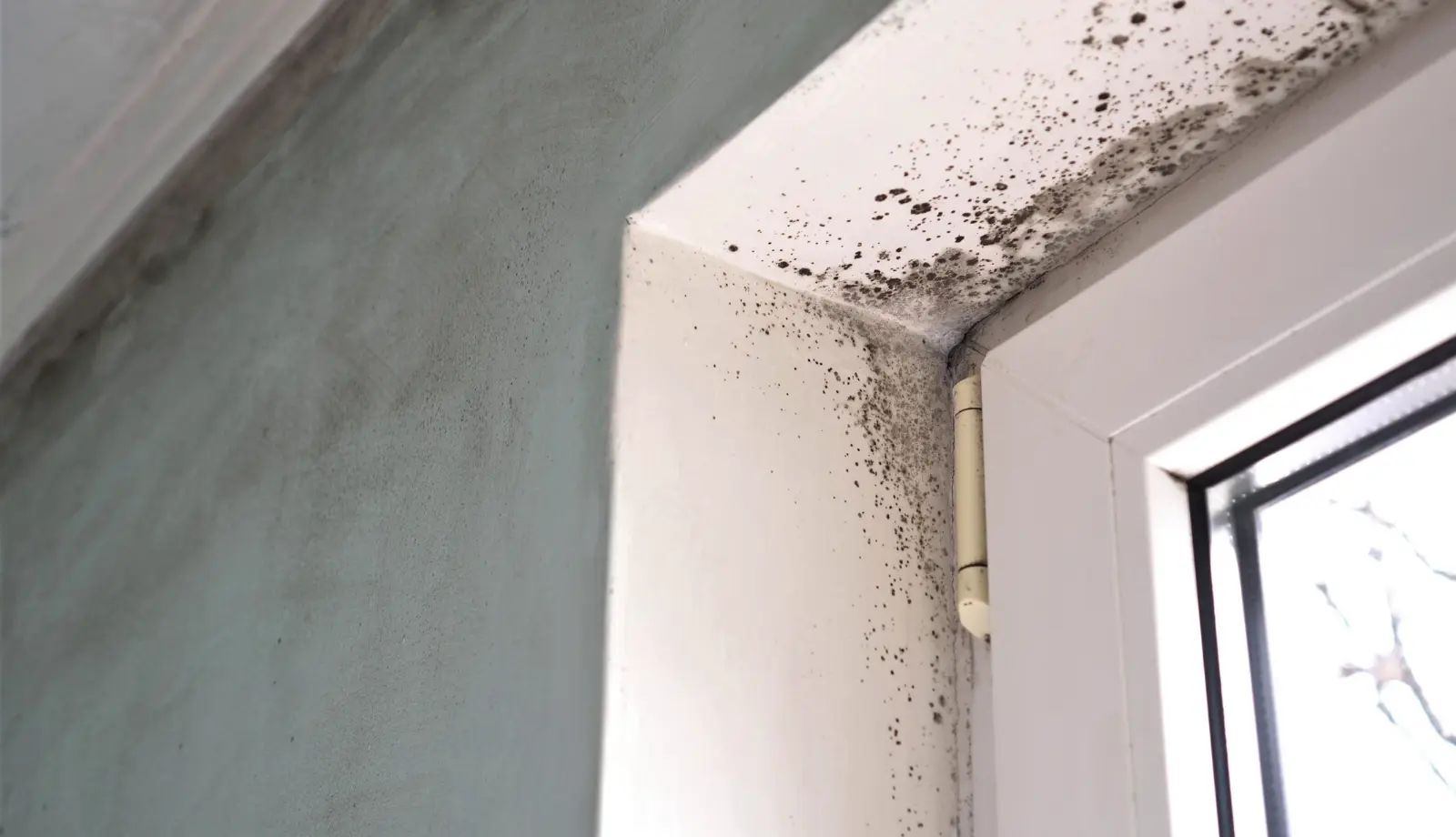
When patches of mould are small and in isolated areas, they can often be tackled yourself. If it’s covering a large area, keeps spreading or comes back despite improving ventilation, it’s worth getting professional advice to help get to the bottom of it.
If you’ve noticed damp patches, water stains or damaged plaster, these are all signs there could be a slightly bigger underlying problem that a professional can help identify for you.
Yes, mould can return if the conditions that caused it are still present. That’s why treating existing mould is only part of the solution. Reducing condensation and moisture in your home can help prevent it from coming back.
We do not recommend it. Bleach or vinegar are not designed to properly remove and kill mould, although they can help to reduce it.
In fact, UK Government guidance recommends using a dedicated mould and mildew cleaner instead of bleach for health and safety reasons. Just make sure it’s suitable for your ceiling and follow the instructions.
Black mould is a topic that comes up a lot and for good reason. Living with mould can affect your health, particularly if you have asthma, allergies or other respiratory conditions.
But not every black patch on your ceiling is necessarily this type of mould and other types can be harmful too. Whatever mould you’re looking at it’s important to remove it safely and tackle the moisture that’s allowing it to grow.
The results we mentioned in this guide come from independent tests carried out under controlled conditions, comparing Heroes Shield with the specific paints tested. Of course, every bathroom is different, so the amount of condensation you experience at home will also depend on things like ventilation, humidity and surface temperature.
1 & 2 Department of Health and Social Care (UK Government), Understanding and addressing the health risks of damp and mould in the home
3. Centre for Sustainable Energy, Condensation, damp and mould