







Why is mould a health risk?

The Heroes Team
14th September 2026
Fancy a mystery offer? Unlock yours →
The Heroes Team
14th September 2026
Nobody wants to spot mould making itself at home, in your home. It looks horrible, it has an annoying habit of coming back and, more importantly, it can affect the people living there too.
Cooking tea (dinner, if you insist), having a shower, drying the washing. Completely normal things, but it all adds moisture to the air which is helping to create the ideal conditions for mould without us really thinking about it.
So in this guide, we’re looking at what’s actually behind mould, why it can keep coming back and, most importantly, what you can do about it yourself at home.
We’ll cover:
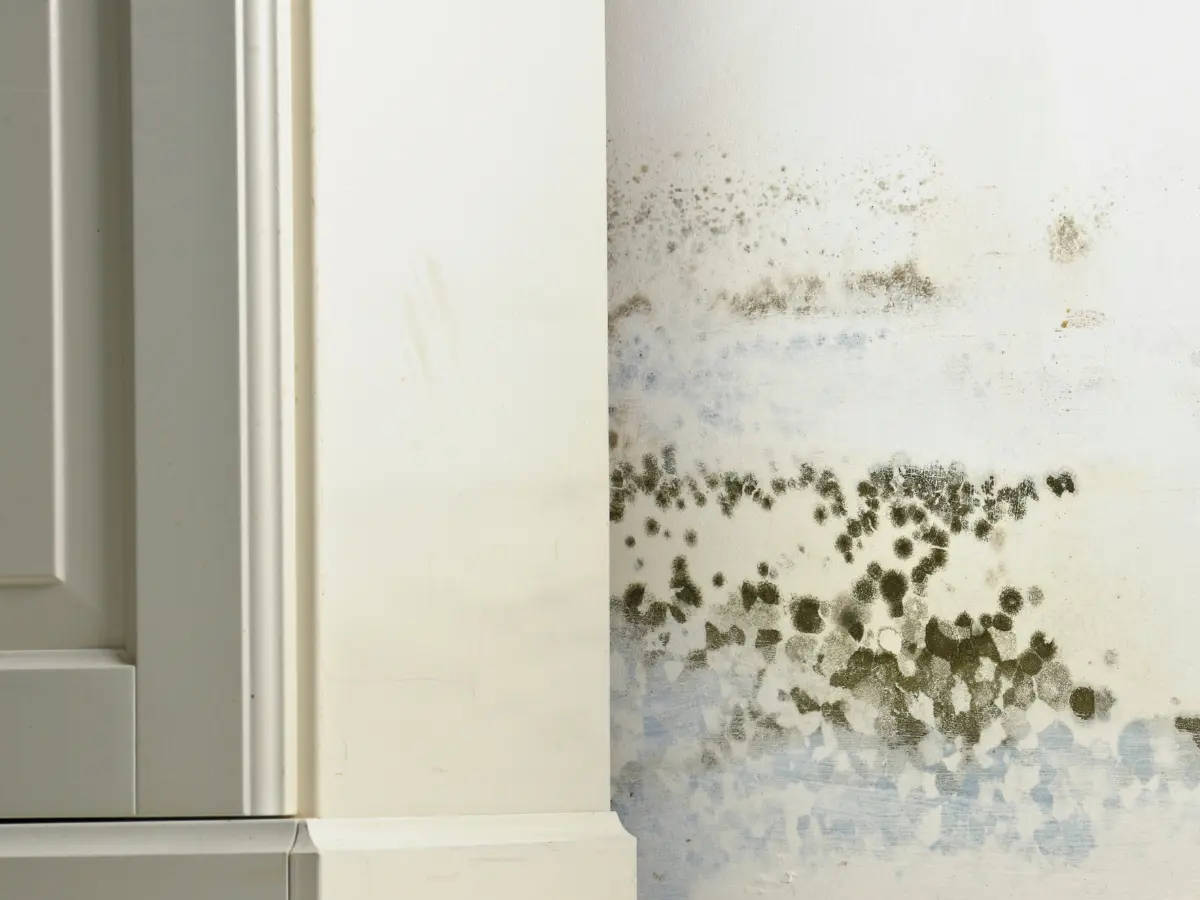
Mould is a type of fungus that grows in damp or humid conditions. Around the home, you will often find it on walls and ceilings where excess moisture is.
Those black patches on your walls are the bit you can see. But as mould grows, it can also release tiny spores into the air around your home.
You can come into contact with them just by breathing them in, which is why damp and mould can particularly affect the airways and lungs. These spores can also affect the eyes and skin.
Mould isn’t something to panic about, but it’s worth keeping an eye on. For some people, exposure to mould can cause:
Damp and mould aren’t good for anyone to live with, but some people are at greater risk of experiencing more serious effects. As outlined in government advice, those who can be more vulnerable to the health effects of damp and mould include:
Seeing a small amount of mould doesn’t necessarily mean it will make you unwell, but it does mean it’s worth doing something about it if it keeps coming back.
If you notice that mould keeps coming back, it could be a sign that there’s still something causing it. Tackling the dampness and conditions that allow mould to grow is an important part of looking after your home.
Heroes Fact
Research has shown that children who are living in damp homes are reported to be up to 3x more likely to have breathing problems.¹

Moisture is a normal part of everyday life at home, but when too much of it hangs around, it can create the conditions mould needs to grow.
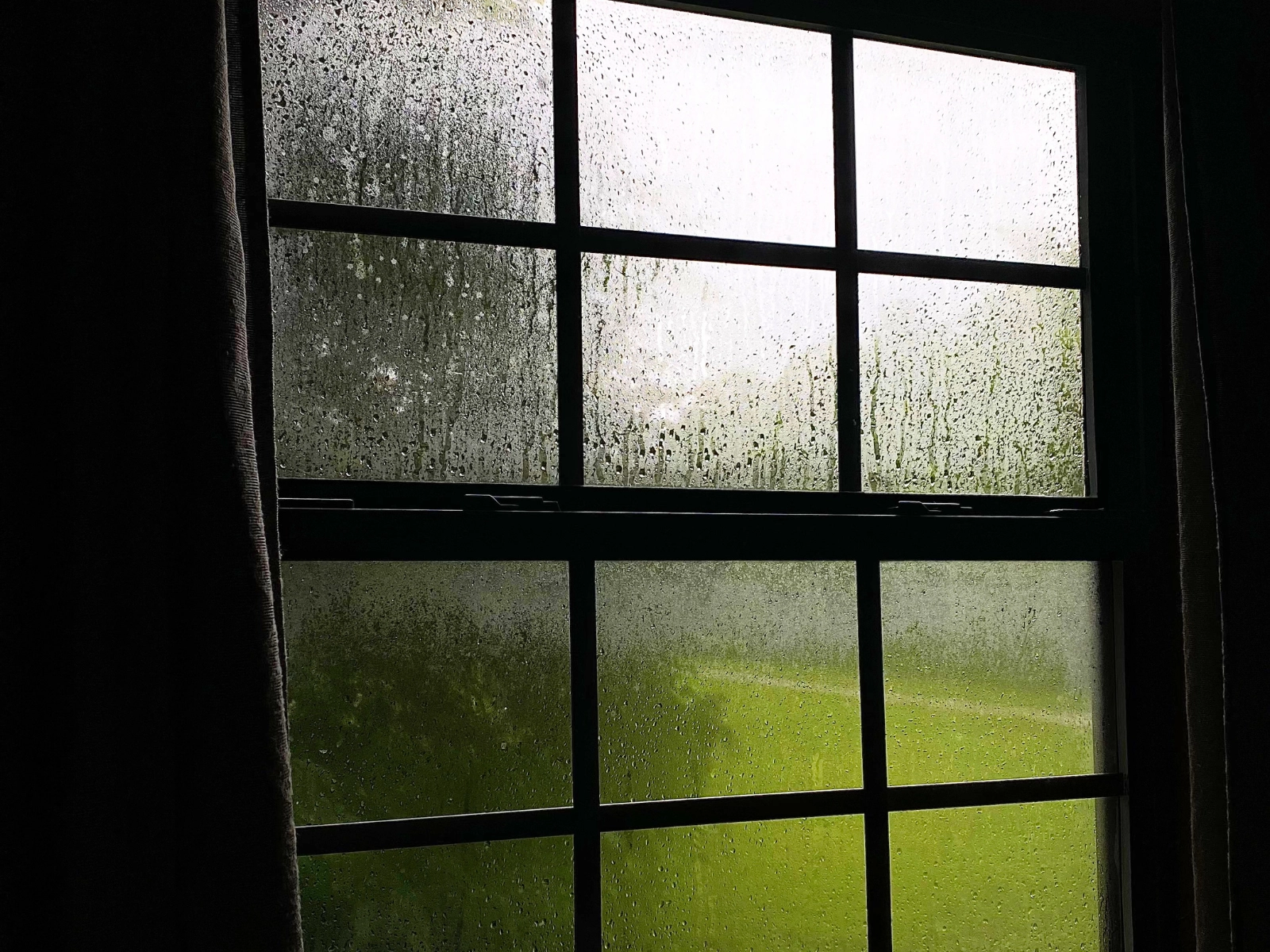
Without enough ventilation, that moisture can hang around and settle on colder surfaces, creating the perfect conditions for condensation.
So, what actually is condensation? It’s what happens when warm, moisture-filled air meets colder surfaces like walls, windows and ceilings. If those areas stay damp, mould has the perfect conditions it needs to make itself at home. In fact, condensation is one of the most common causes of mould in our homes.
That’s why simply wiping away visible mould isn’t always enough. You can clean what you see but if moisture, poor ventilation, a leak or another source of damp is still there, mould can soon make a comeback. If you tackle one of the root causes, you have a much better chance of keeping it away.
One thing our team hears from homeowners dealing with recurring mould is just how frustrating it can be when they’ve already cleaned it or even redecorated a full room, only to find it coming back in the same place. It’s why one of the first things we ask is what they’ve already tried, so we can help work out why the problem hasn’t gone away.
NHS NEWCASTLE HOSPITALS TRUST
Bedrooms and living rooms are where so much of family life happens. Sleeping, playing, relaxing, plus the occasional pile of washing that stays there longer than planned.
So looking after these rooms is about more than keeping them looking nice, it’s about keeping them healthier too.
When condensation and mould become a regular thing, the room itself can start to feel damp, smell musty and become a less pleasant place to spend time.
When it’s a bedroom, living room or somewhere your family uses every day, that really matters.
That’s why it’s also worth looking beyond the mould you can see, because it doesn’t always announce itself with a big black patch.
Colder walls, areas behind furniture and corners with less airflow can all create little pockets where moisture hangs around unnoticed and there could be more going on than you can see. Sometimes, a damp or musty smell might be the first thing you notice.
We asked our Technical Team what the first thing they ask homeowners when they are advising them on how to tackle their project. The answer was have they checked the full room, including behind furniture and areas you can’t see.
Checking the whole room helps you understand the full extent of the problem, where mould is developing and if there’s a pattern to it. That gives you (with the help of our Technical Team) a much better starting point for working out what’s causing it and how best to tackle it.
So when you’re thinking about how to create a healthier home, don’t just think about what you can see in front of you.
Looking after the conditions around your home before mould appears can help make it a much harder place for it to get started.
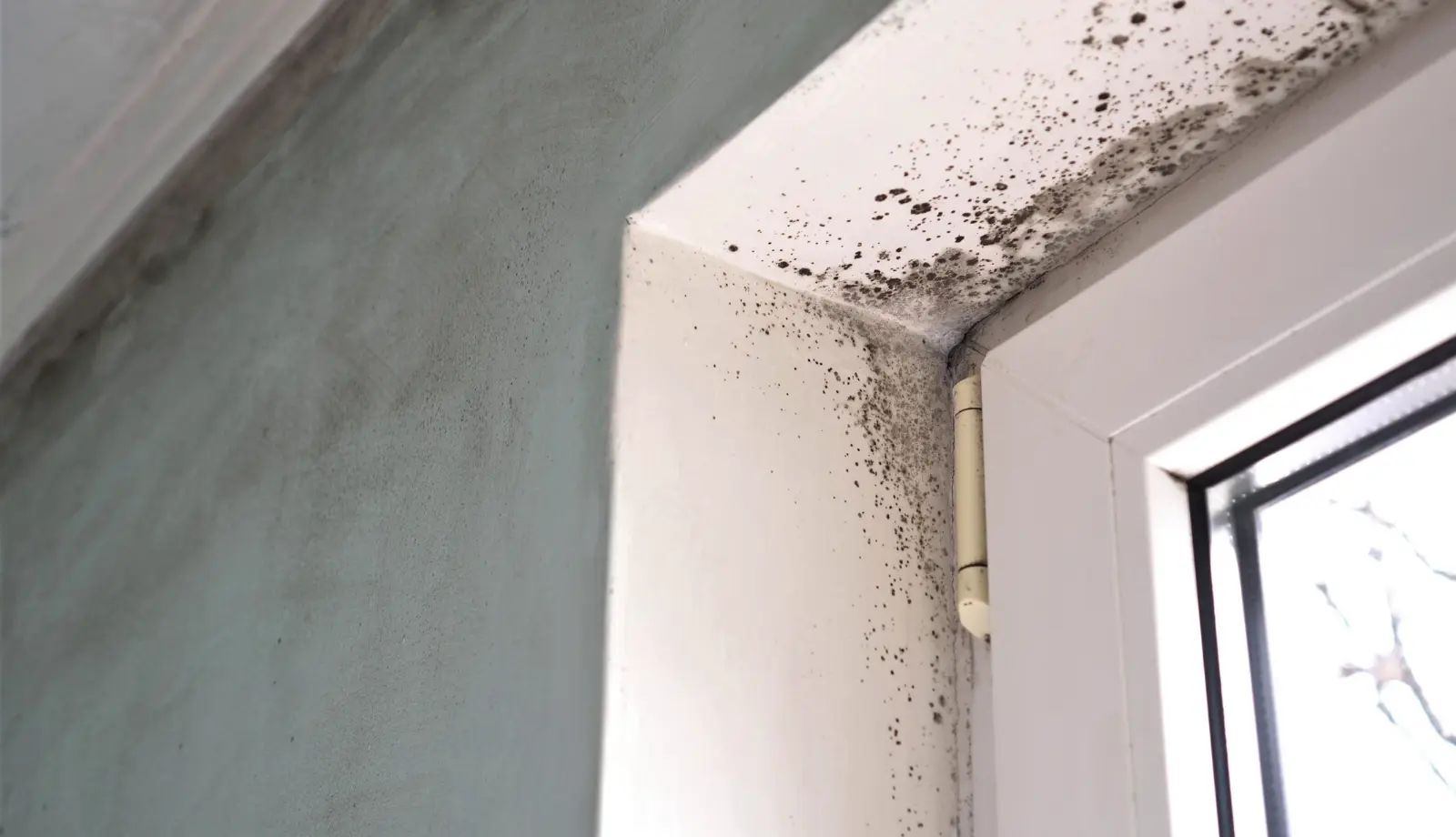
When mould keeps coming back, wiping away what you can see is only part of the job. If condensation keeps giving it the moisture it needs, you’re stuck dealing with the same problem again.
A few things can help:

The paint you put on your walls can also play a big part too. If mould is a recurring problem, you might already have come across anti-mould paints.
These are typically paints with fungicides added to them to try and stop mould developing on the painted surface.
But as we’ve chatted about in this guide, mould needs moisture to grow too. So if a paint doesn’t address the moisture, there is always a risk mould makes its return.
So we started looking at whether we could make a paint that helped walls stay warmer, giving condensation less chance to form in the first place and addressing the moisture, not just the mould. That eventually became Heroes Shield.
Inside the paint, Micro-Sphere Technology helps walls hold on to more of the warmth already in your room, rather than letting it go to waste. That helps keep the wall warmer, so less condensation forms and mould is left with less moisture to grow.
So, rather than simply covering up the problem, it’s fighting off one of the main things mould needs to grow in the first place.
Every home is different and sometimes it’s easier just to talk through what’s happening in yours with someone, isn’t it?
We’ve got a friendly technical team here at Heroes who know a thing or two about mould, condensation and paint, and they’re always happy to help you figure out what might be going on in your home. Give us a call on 01254 936151 or drop us an email at [email protected] and we’ll be happy to have a chat.
Fight mould

£30.00
Anti-mould paint that does things a bit differently. Helping you break the cycle of recurring mould, so you can enjoy a healthier home without the worry of it coming back.
Find out more
£10.00
Heroes Mould Remover is a mould and mildew cleaner for preparing interior walls before decorating. Use it on areas affected by mould, mildew and staining to clean the surface before applying paint.
Find out moreTHE HEROES TECHNICAL TEAM
Yes, mould spores are tiny and can become airborne, which means they don’t just stick around in a visible mould patch. That’s why it’s important to treat mould properly and look at what could be causing it in the first place.
There’s no need to panic. A small patch of mould doesn’t mean there’s a serious problem but it is worth taking notice of. Mould can be a sign that there’s excess moisture in the area, so dealing with the cause can help prevent it from becoming a bigger issue.
It can. A musty or damp smell can sometimes be a sign of mould, even if you can’t see it straight away. If you notice a persistent smell, it’s worth having a look around less visible areas where moisture may be building up.
Heroes Shield does things a little differently from traditional anti-mould paint. Rather than just helping to protect the paint from mould, it helps keep your walls warmer and reduces condensation, tackling some of the things that can lead to mould in the first place.
No. Heroes Pure isn’t a mould treatment. It’s an air-purifying paint made to reduce airborne pollutants in your home.
If you already have mould, it should be properly treated and removed before decorating. Heroes Mould Remover is the first step, helping to clean mould and mildew from the surface. Once the mould has been removed and your walls are clean, you’re ready.
1. Derby City Council, Authority Evidence: Housing Need, 2021
2. Newcastle Hospitals NHS Foundation Trust, Environmental triggers, advice on mould, damp, condensation and ventilation.


