






How to treat mould on your walls or ceilings

The Heroes Team
1st September 2026
Fancy a mystery offer? Unlock yours →
The Heroes Team
1st September 2026
If you’ve ever wiped mould off your walls only to find it creeping back a few months later, you’re not alone.
It’s frustrating, isn’t it?
The trouble is, getting rid of the mould you can see doesn’t always mean you’ve dealt with what’s helping it grow in the first place. Painting over it can leave you right back where you started, because unfortunately mould is very stubborn.
If the moisture that helped it grow is still around, it can soon make an unwelcome comeback.
In this guide, we will cover:
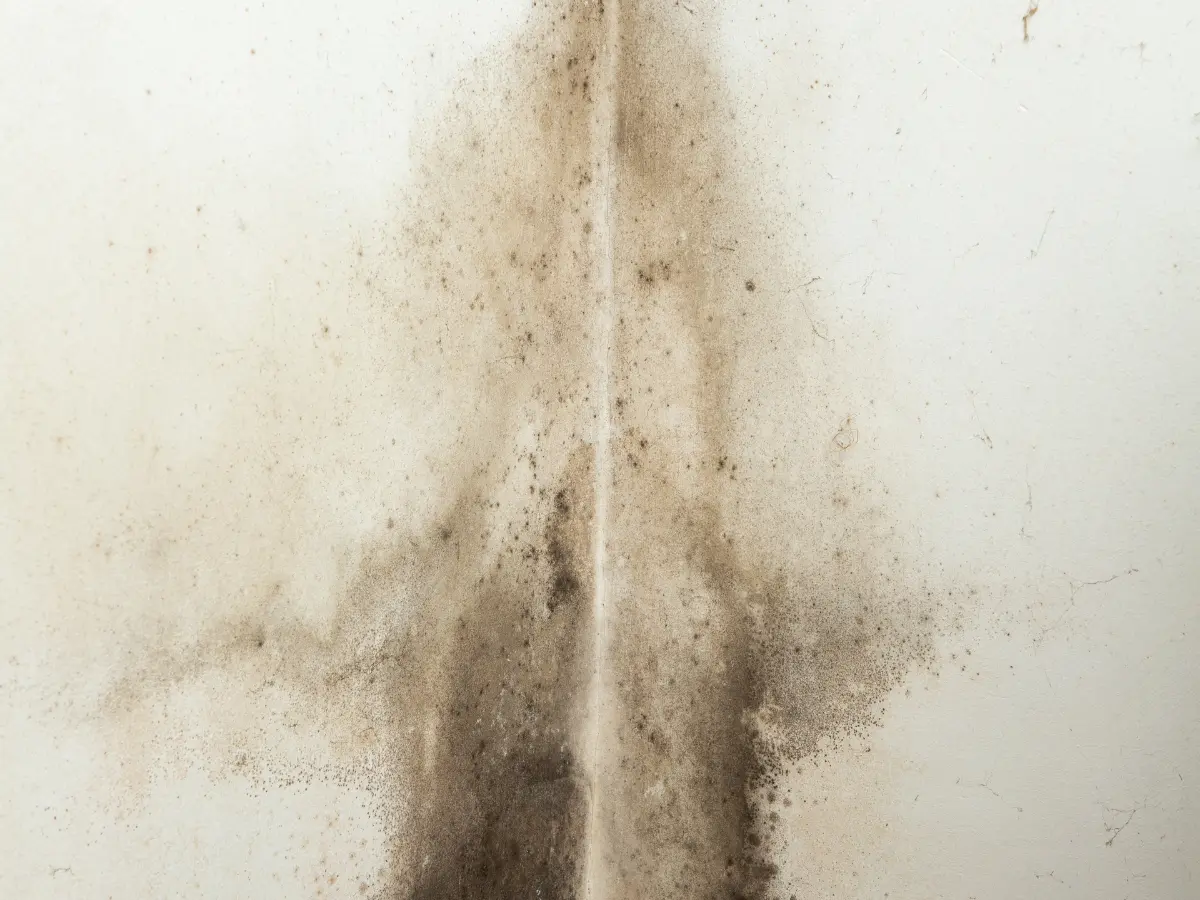
Mould loves damp, humid conditions. Around the home, everyday things we do like cooking, taking hot showers and drying clothes all add moisture to the air.
In fact, according to the Energy Saving Trust¹, a typical household can produce up to 100 litres of moisture every week. That’s quite a lot of water, especially if it isn’t able to escape.
When all of this warm, moist air comes into contact with cooler walls and ceilings, condensation can form. Over time, this can create the conditions mould needs to develop.
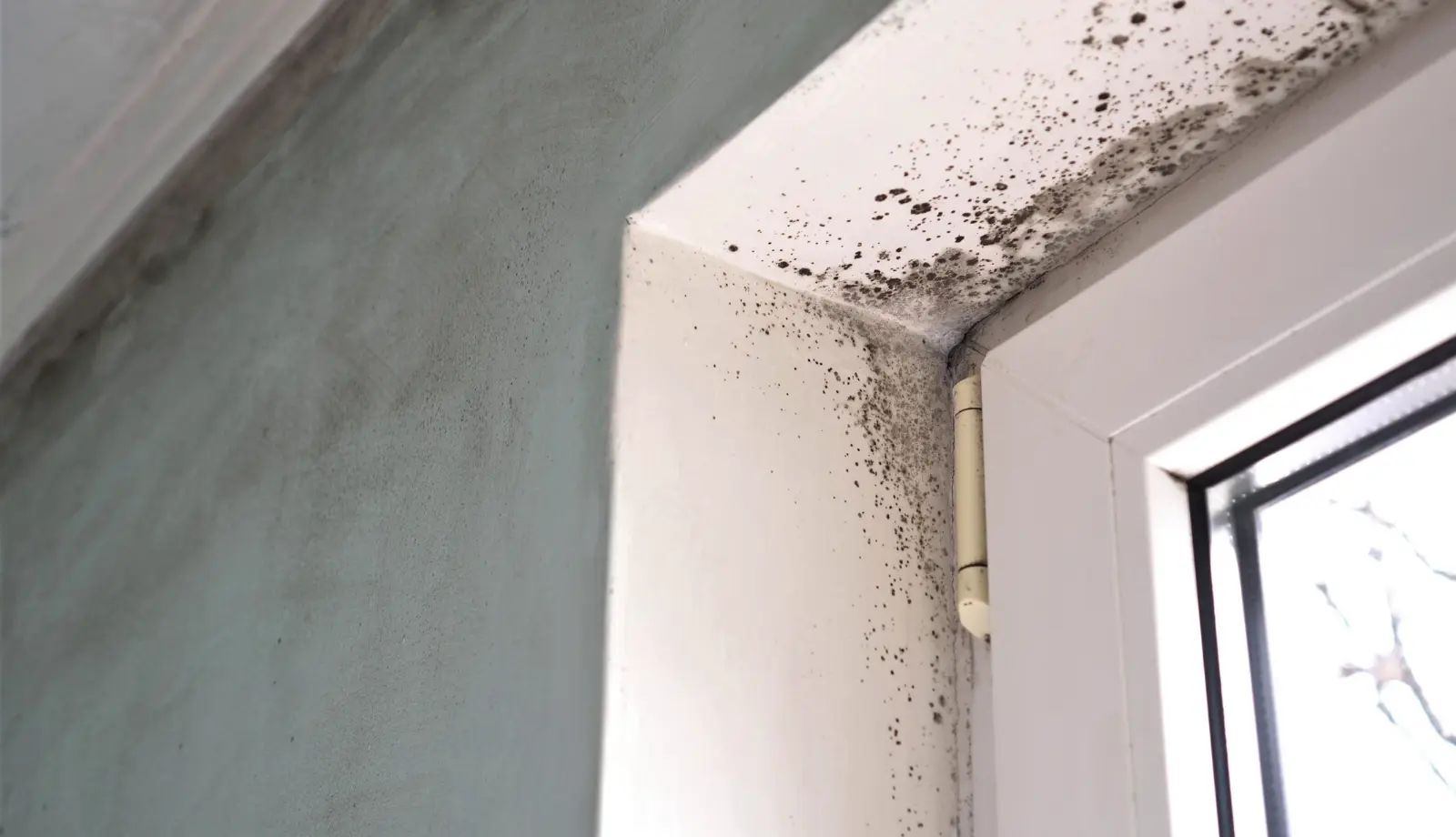
That’s why you’ll probably notice mould first appearing in areas such as bathrooms, kitchens, bedrooms or around windows, where condensation can be more common.
Of course, condensation isn’t the only cause. Leaking pipes, water getting in from outside and other damp problems can also provide the moisture mould needs, so it’s worth understanding where it’s coming from before treating the affected area.
Heroes Fact
Wiping visible mould from your walls or ceiling might make the surface look cleaner but it doesn’t necessarily deal with the actual problem.
The same goes for painting straight over it. You might have a lovely fresh wall for a few weeks or months, but if the mould or the moisture behind it is still there, you could find yourself doing the whole thing again.
So, how do you tackle both? Well, there’s three things to think about. It starts with removing the mould that’s already there, then tackling the condensation that encourages it to grow and finally getting your walls looking how you want them again.
THE HEROES TECHNICAL TEAM
First things first, it’s time to tackle the mould that’s already there.
When we spoke to homeowners about how they’d tackled mould before, most told us they’d used household bleach. It’s easy to see why, but making mould disappear doesn’t necessarily mean it’s been properly removed.
In fact, UK Government guidance recommends using a specialist mould and mildew cleaner rather than bleach, particularly for health and safety reasons.²
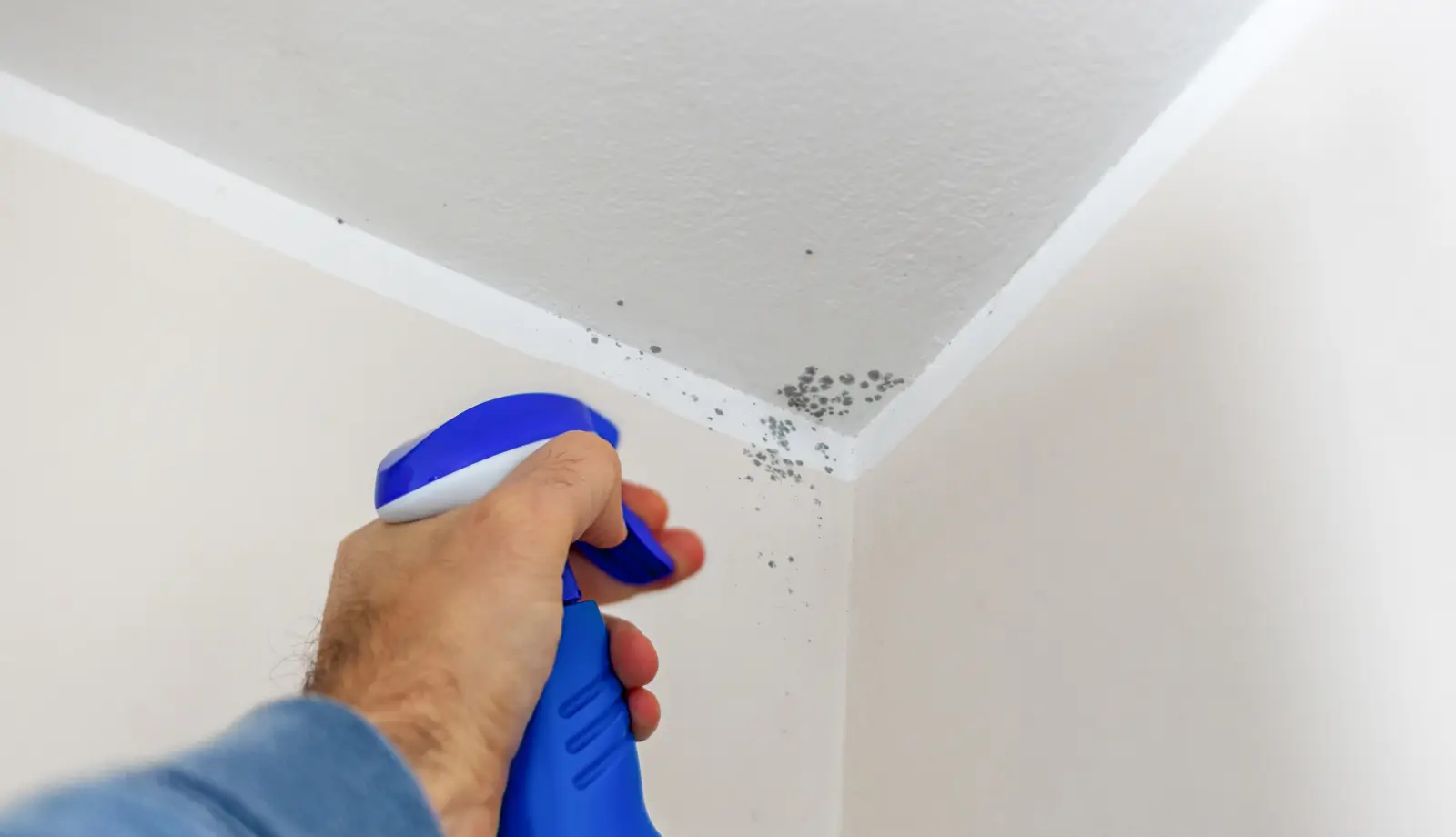
Start by treating the affected area with a suitable mould cleaner. This helps remove existing mould and gets your walls ready for decorating.
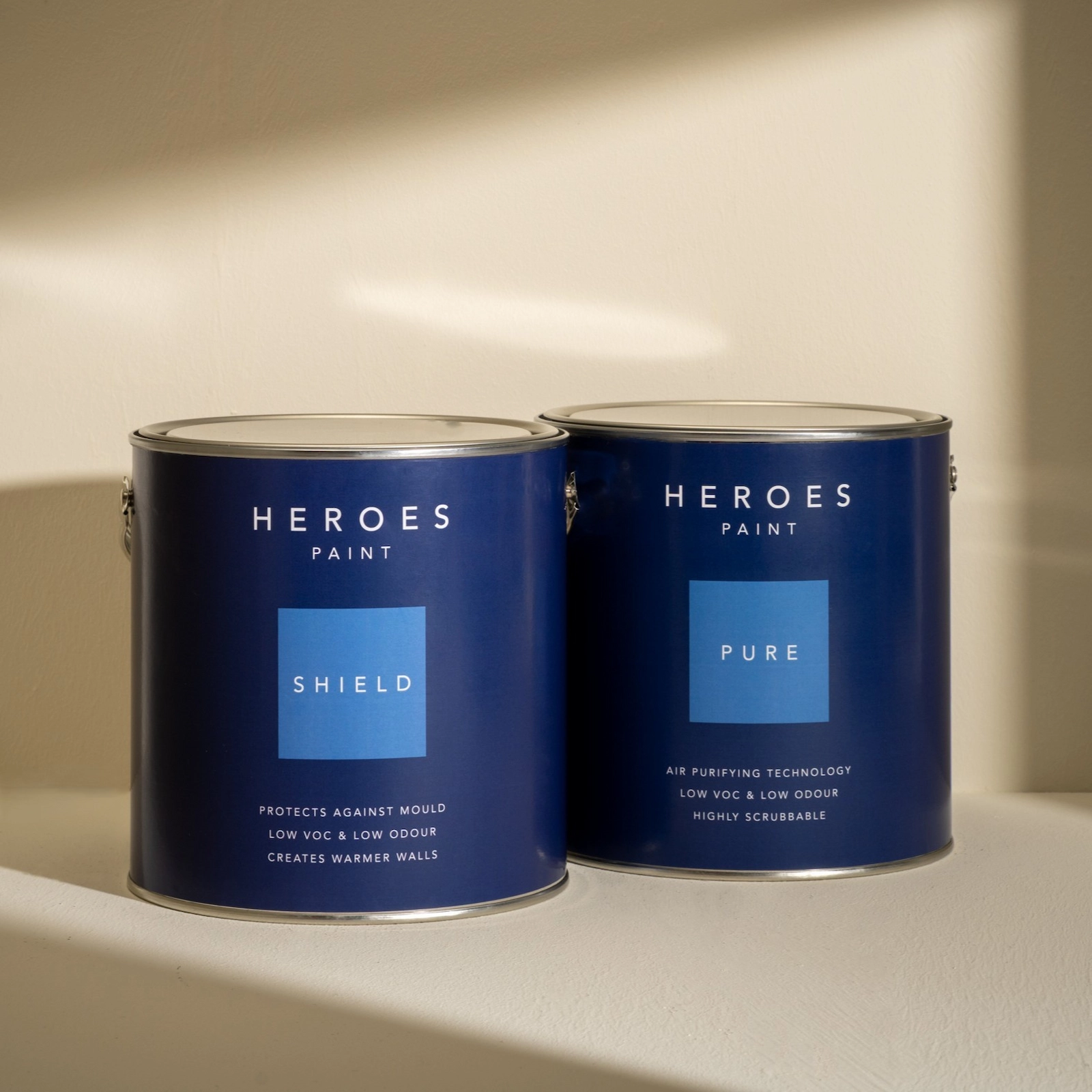
For this, we’ve got Heroes Mould Remover, which is designed to get rid of existing mould effectively, while not containing bleach or acid.
Once the mould has been treated and the surface is clean, you’re ready for the next part.
With the existing mould dealt with, it’s important to turn your attention to what may have caused it in the first place.
After all, the last thing you want is to be back at the same point in a few months when it is back again. If condensation is behind the problem, there are a few things that can help.
This starts with simple things like using extractor fans when cooking or showering, keeping vents open and making sure your home is properly heated and ventilated, particularly in winter.

But there’s another part of the equation that many of us don’t realise and that’s the temperature of the walls. When warm, moist air meets a cold wall, condensation is more likely to form. So, alongside managing the moisture in your home, helping your walls stay warmer can make a real difference in reducing condensation over the longer term.
Traditional anti-mould paints typically use fungicides to help reduce mould growth, rather than reducing the moisture. Newer approaches like Heroes Shield go about preventing mould a different way by tackling the moisture itself using clever heat retaining technology.
All you have to do is apply two coats of Heroes Shield to walls or ceilings, once you have given them a good prep.
Now that your walls are clean and protected, you can then decorate your room as normal.
Dealing with mould doesn’t have to mean compromising on how your room looks. Some anti-mould paints are designed to be the topcoat, while others can be painted over so you can still decorate in whatever colour you fancy.
It’s worth bearing this in mind when choosing how to tackle your project, particularly if you’re planning to redecorate anyway.
Let's do it

£10.00
Heroes Mould Remover is a mould and mildew cleaner for preparing interior walls before decorating. Use it on areas affected by mould, mildew and staining to clean the surface before applying paint.
Find out more
£30.00
Anti-mould paint that does things a bit differently. Helping you break the cycle of recurring mould, so you can enjoy a healthier home without the worry of it coming back.
Find out more
£60.00
A smarter paint for a healthier home. Combines premium paint performance with air purifying technology, so you can create beautiful rooms that look after your families health.
Find out moreEvery home is different, and sometimes it’s easier just to talk through what’s happening in yours with someone, isn’t it?
We’ve got a friendly technical team here at Heroes who know a thing or two about mould and paint, and are always happy to chat through your particular situation and help you work out the best way forward.
Give us a call on 01254 936151 or drop us an email at [email protected] and we’ll be happy to help.
It’s generally best not to. Painting directly over mould can cover up the problem rather than properly treating the affected surface, so the mould will just reappear in no time.
Yes, mould can return if the conditions that caused it are still present. That’s why treating existing mould is only part of the solution. Reducing condensation and moisture in your home can help prevent it from coming back.
When mould appears around windows, in corners, on colder walls or in areas with poor ventilation, it can often be linked to condensation. However, persistent damp or mould can have other causes, so it’s important to investigate if the problem keeps returning.
Using extractor fans, opening windows where appropriate and avoiding drying clothes indoors can all help reduce excess moisture. Keeping rooms warm and well ventilated will also help.


