




Condensation on walls: Why is it happening in your home?

Fancy a mystery offer? Unlock yours →
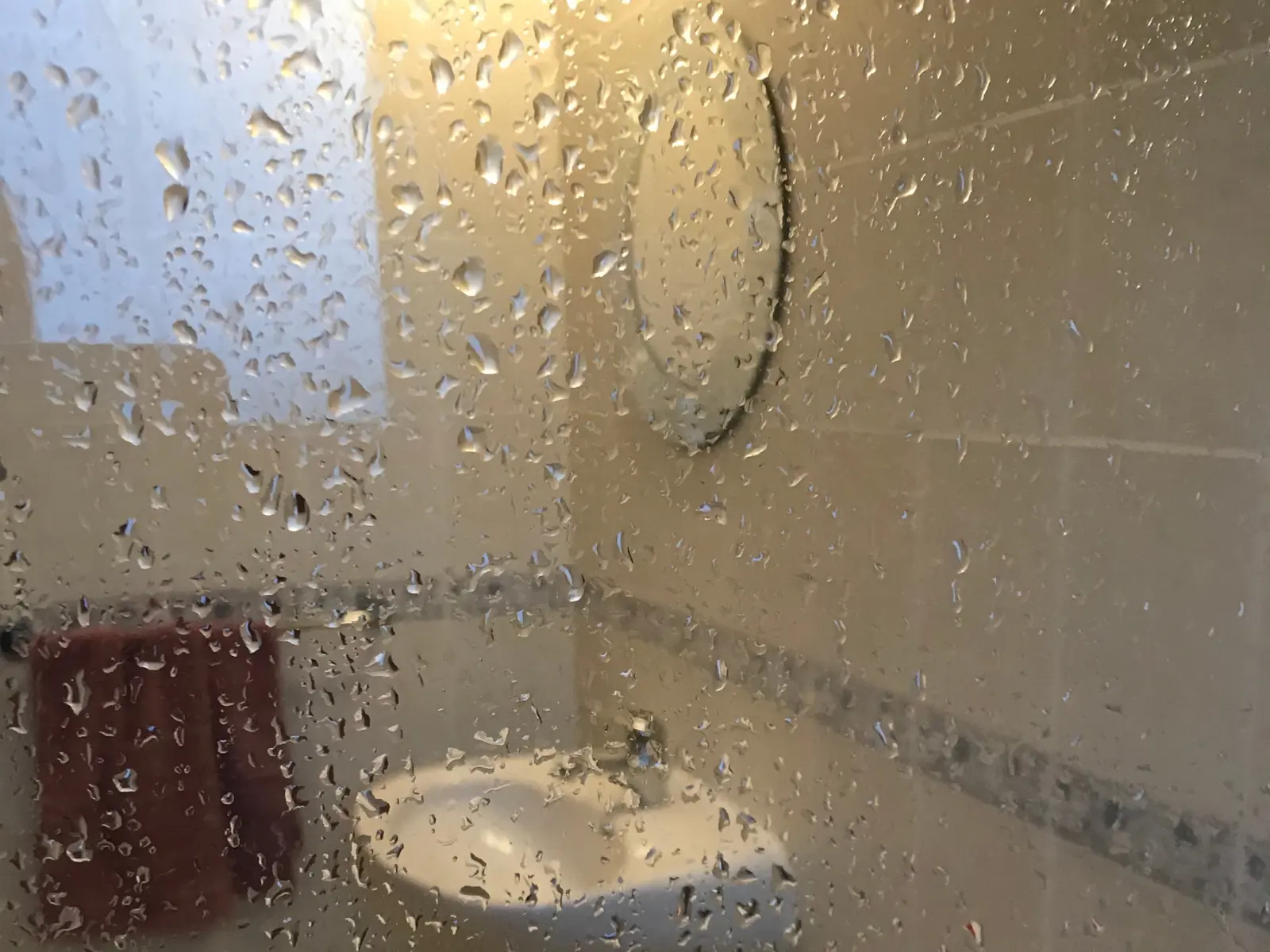
You’ve noticed condensation on your walls, maybe on that one bedroom wall that’s wet every morning or behind the wardrobe you’ve just moved.
The strange thing is, the rest of the room might be absolutely fine.
So, what’s going on and more importantly, how do you stop it?
In short, it usually comes down to two things, moisture in the air and how cold your walls are. When the two meet under the right conditions, condensation forms. The trickier part is working out why it’s happening in your home.
Here’s what we’ll cover:
Before we get into why your walls are getting wet, there’s something worth checking and that’s whether we’re sure it’s condensation.
The biggest thing we find when speaking to homeowners about any moisture, mould or damp-related problem is that they’ve tried several things already, without quite knowing which part of the problem they are tackling.
So, let’s look for a few clues.
Signs it could be condensation:
Signs it might be something else:
Of course, it’s really important to say these aren’t foolproof ways to identify the problem, but they will help you narrow things down, which can feel like a really big step in the right direction.
Try this at home: Over the next few days pay attention to when the wall gets wet and when it dries. Is it worse after a cold night or maybe does it happen when you’ve been drying clothes inside? If you can, try taking a photo of the wall each morning for a few days, which will give you an easy way to keep an eye on what’s happening.
You don’t need to become a damp expert overnight, but spotting patterns can tell you quite a bit about what’s happening and help you avoid spending time and money on solutions that might not address the problem.

Now that we’ve hopefully helped you identify whether it is in fact condensation that’s creating the moisture on your wall, let’s get into what’s actually causing it.
The reason condensation can be so frustrating is, you can have a perfectly warm bedroom with three dry walls, yet the fourth seems to collect all the moisture.
So, what’s different about that wall?
It comes down to two things:
Let’s start with the first part, the moisture in the air around us all the time. Everything from cooking to having a shower and drying clothes creates moisture in our homes.
Normally, ventilation in our homes helps that moisture escape, but when there isn’t enough fresh air coming in and moist air going out, it can start to build up, particularly in winter.
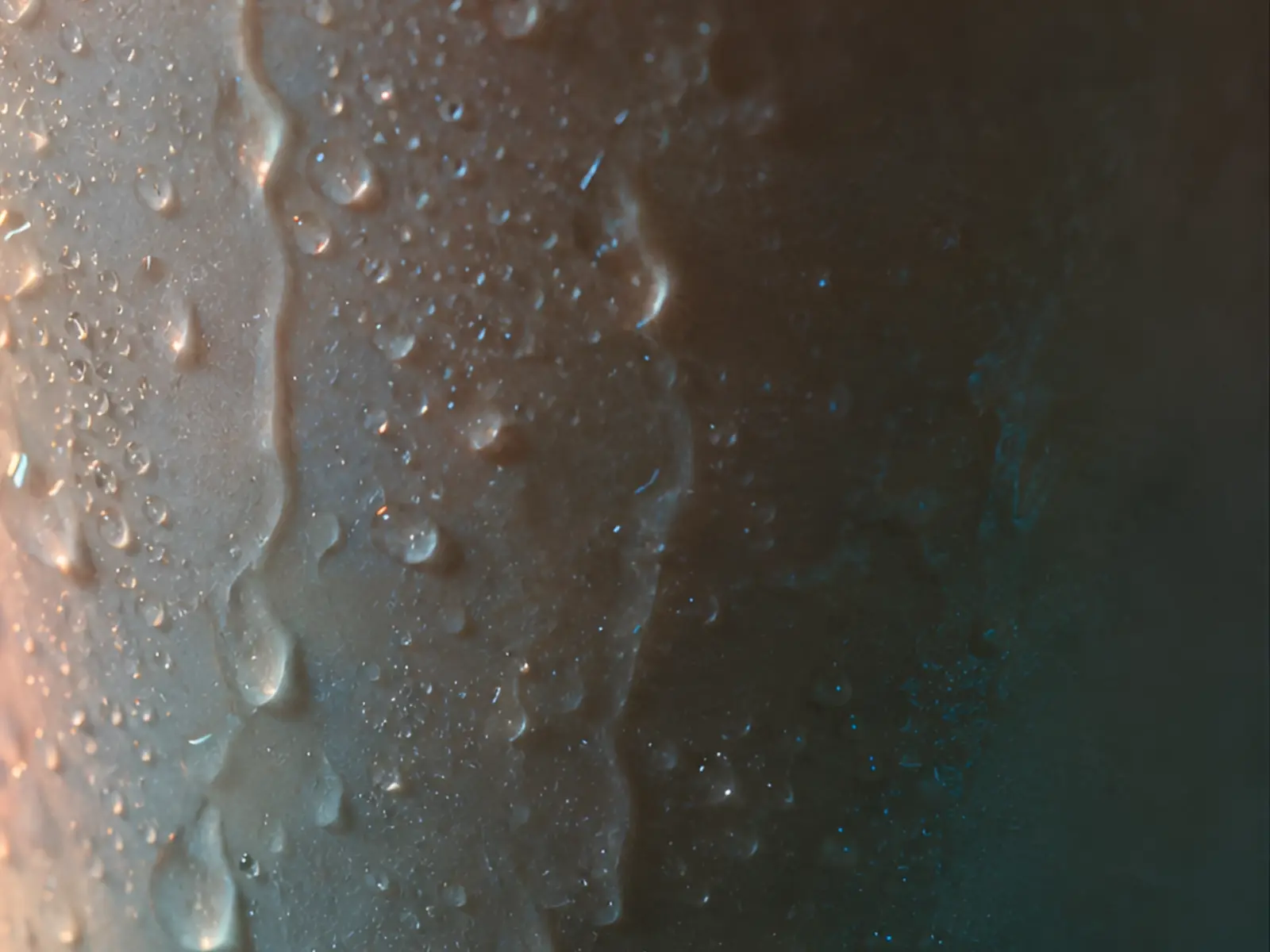
When that moisture in the air meets a surface that is cold enough, some of the water vapour turns into droplets (condensation).
Here’s where the temperature of your wall comes in. Imagine two walls in the same bedroom:
Even though they are in the same room, they have very different temperatures, so while one might stay dry, the other could be cold enough for condensation to form.
But it’s not always an entire wall either. Missing insulation, external corners and areas around windows can create particularly cold patches, sometimes called cold spots.
Some are also caused by thermal bridging, where heat escapes more easily through certain parts of the building.
Then there’s what happens inside the room. If the heating isn’t on regularly, surfaces can become colder. Pushing furniture tightly against a wall means air can’t circulate, which can also leave a wall vulnerable.
Remember, just because a room feels warm doesn’t necessarily mean every wall in the room is warm.
So, condensation isn’t always caused by one thing, it’s a combination of factors working together.
Heroes Fact
Like we’ve touched on, the best approach is not to think about one magic solution, but to understand which changes will make the biggest difference in your home.
One thing we’ve found from helping homeowners with condensation problems is that checking the moisture levels is often overlooked, but it can be really handy for understanding what’s happening.
It’s completely optional, but a small, inexpensive hygrometer can help you measure the moisture in your air.
As a general guide, aim for 40–60% relative humidity.² If your humidity is regularly above 60%, it’s worth checking where that moisture is coming from and whether it’s escaping properly.
But even within the recommended range, condensation can still form on a particularly cold wall. That’s why looking at both the humidity in the room and the temperature of the affected wall can tell you much more than either one alone.
The benefit of doing this optional step is that you can measure your progress. As you start making changes around your home, you can see whether they’re actually helping reduce moisture in the air, rather than guessing.
THE HEROES TECHNICAL TEAM
The simplest and most achievable change to make, even in busy family homes, is to reduce excess moisture accumulating.
These little changes all help reduce the amount of moisture available to condense on your walls.
Next, it’s time to have a closer look at the walls where the condensation keeps popping up.
Start with the area that’s getting wet and work through a few nice and simple checks:
Want to take a closer look? A thermal imaging camera can help you spot areas of your walls that are colder than the surrounding surfaces, including cold corners and possible insulation gaps. You can buy or rent these, which may be a good option if you do suspect a cold spot.
After this, you should have a better idea of whether you’re dealing with a generally cold wall, one particular cold spot or an area where there’s another culprit.

We’ve had a closer look at your walls, but let’s talk about how you can help stop condensation forming on them.
If you’ve found missing insulation or damage letting water in, you need to address them. But, if you’re dealing with an otherwise sound wall, there’s another relatively simple option you can turn to.
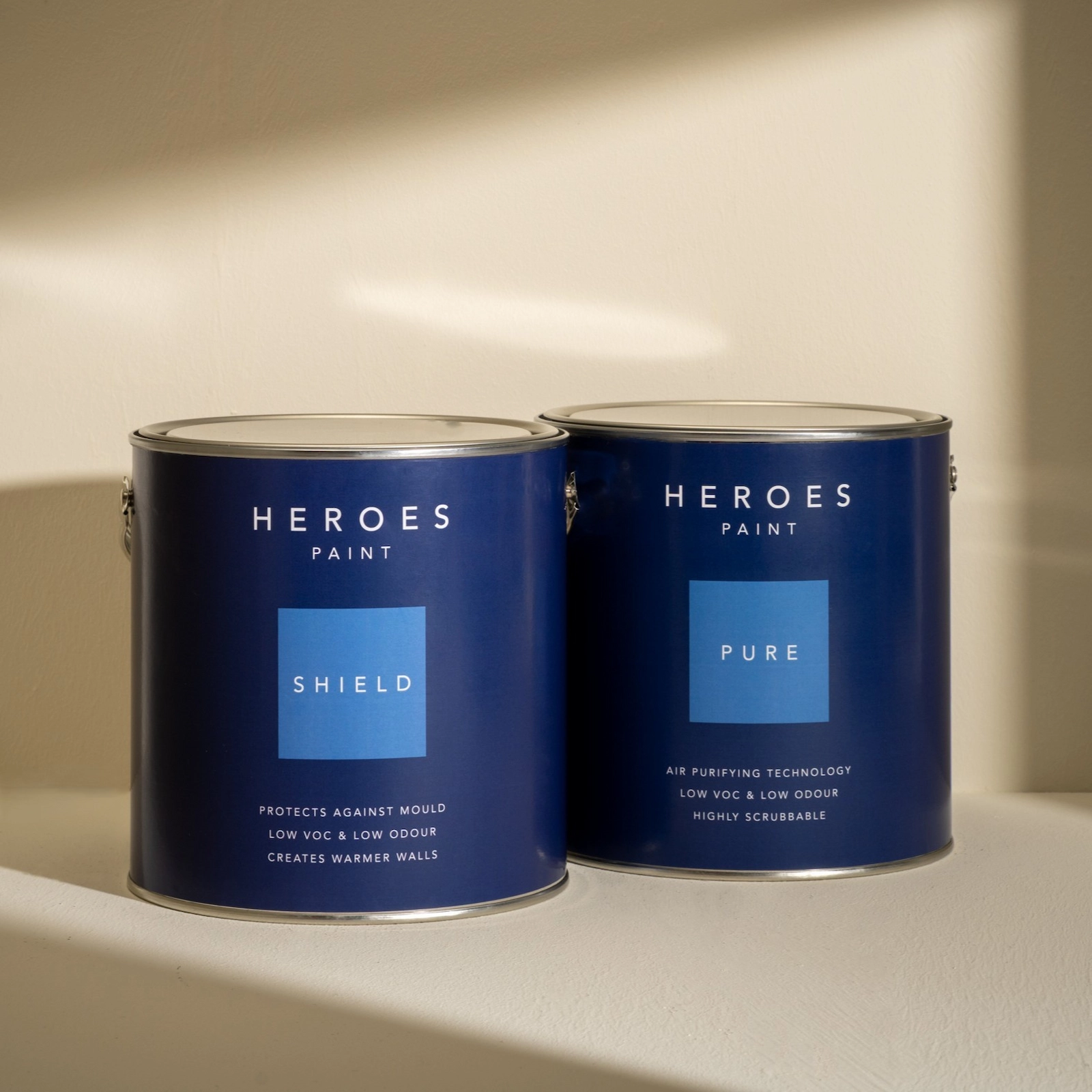
Thermal anti-condensation paint is designed to help reduce moisture forming on the wall without you needing major work to your home.
The idea is simple, if you create a warmer temperature on the surface of your walls, you reduce the chance of moisture in the air turning into condensation when it comes into contact with them.
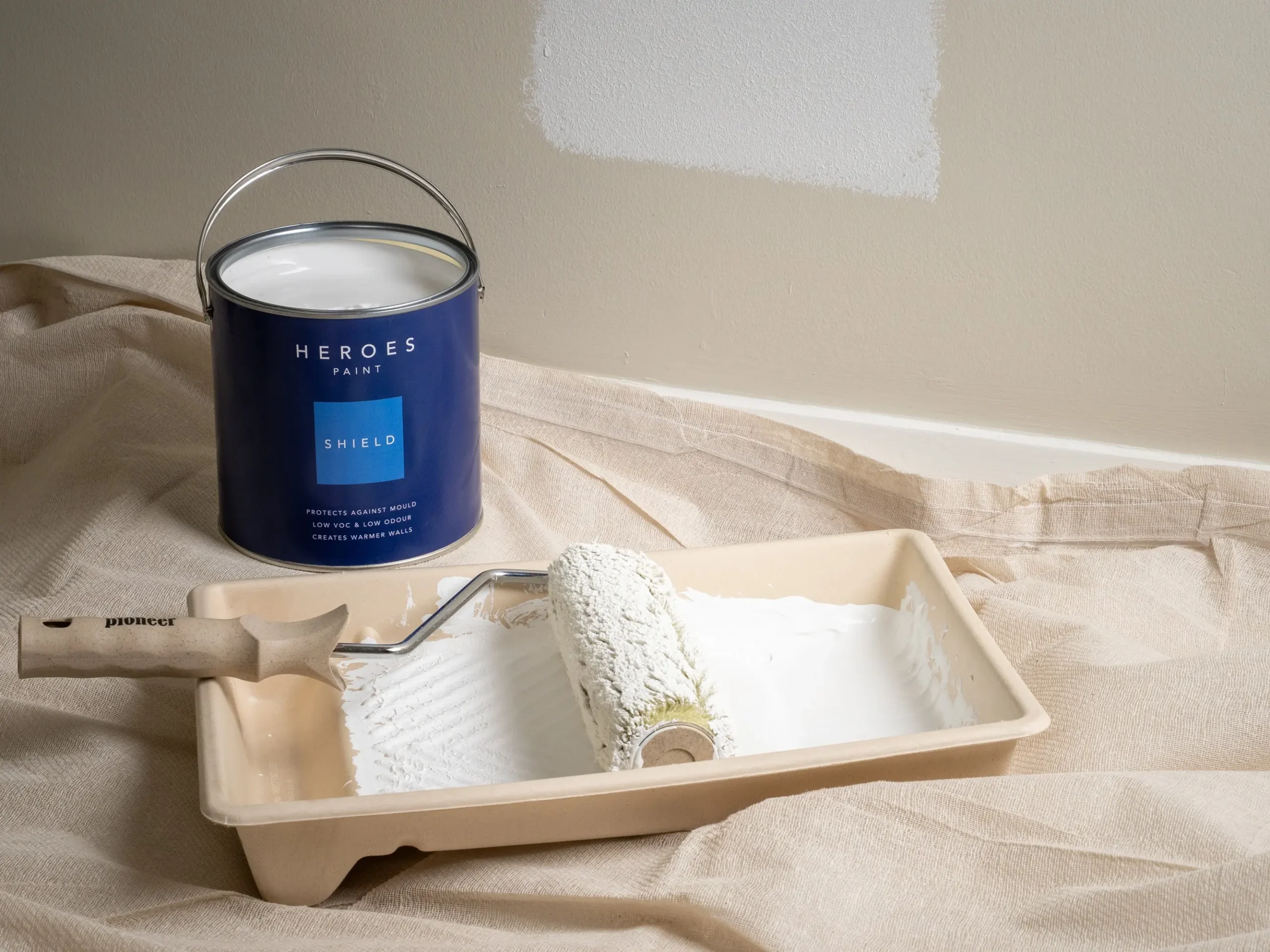
That’s the thinking behind our own paint, Heroes Shield, that we developed to help homeowners reduce condensation on their walls and tackle one of the big conditions mould needs to keep coming back.
There are other thermal anti-condensation paints out there, but it’s worth being aware that they don’t all perform the same.
In independent testing Heroes Shield, it produced 78% less condensation run-off than standard paint and 73% less than another leading thermal anti-condensation paint.
So, before picking up a tin, have a look at the evidence behind it.
If you’re interested, we’ve put the full results together and broken down how different paints perform when it comes to condensation, in our guide to whether anti-mould paint really works.
Condensation is really common in UK homes, particularly during colder weather. In fact, more than 18 million homes report struggling with condensation, damp or mould this winter.₃ That’s over 60% of the UK.
But just because it’s common doesn’t mean our homes are dealing with moisture as well as they should be. If your walls are regularly wet or mould keeps appearing, it’s worth doing something about it, especially as mould can have an impact on your health.
It can, although it’s much less common. Condensation isn’t really about the time of year, it’s about the amount of moisture in the air and how cold a surface is.
There’s actually often more moisture in the air in summer when it’s humid, but cold surfaces are much less frequent.
Yes, if your walls are repeatedly getting wet, it can lead to peeling paint, damaged walls and mould, although condensation is more likely to cause problems with mould than serious damage to the wall itself.
One thing we often find is that homeowners worry about the damp patch they can see, when it’s actually the moisture repeatedly collecting on the surface that’s creating the conditions for mould to grow.
Yes, but make sure the wall is dry before painting. If there’s any mould, you need to remove this properly rather than just painting over it.
It’s also worth thinking about what paint you’re using. Standard paint won’t do anything to help reduce condensation, whereas a thermal anti-condensation paint like Heroes Shield is designed to help reduce moisture collecting on the surface.
If you’re using Heroes Shield, you simply apply this first, then paint over it with any water-based paint in your chosen colour or your favourite paint brand.
Hopefully, this has helped you get a bit of a better idea of why condensation is appearing on your walls and how you can fight back.
If you’re still unsure what’s happening in your home, our Technical Team is always happy to talk things through and help you work out where to start.
Give us a call on 01254 936151 or drop us an email at [email protected] and we’ll be happy to help.
Let's do it

£30.00
Traditional anti-mould paints focus on fighting mould growth. Shield goes a step further, helping reduce the condensation that allows mould to grow in the first place, so you beat mould and enjoy a healthier home without the worry of it coming back.
Find out more
£10.00
Heroes Mould Remover is a mould and mildew cleaner for preparing interior walls before decorating. Use it on areas affected by mould, mildew and staining to clean the surface before applying paint.
Find out more