





What causes mould on interior walls?

Heroes Technical Team
28th August 2026

Heroes Technical Team
28th August 2026
If you’ve ever cleaned mould from your walls or ceilings only for it to return a few weeks later, you’re not alone. Mould is one of the most common problems homeowners face, especially during the winter months.
But good news. You don’t need to keep scrubbing the same spots repeatedly. The key to getting rid of mould permanently isn’t just removing what you can see; it’s preventing the conditions that allow mould to grow in the first place.
In this guide, we will cover:
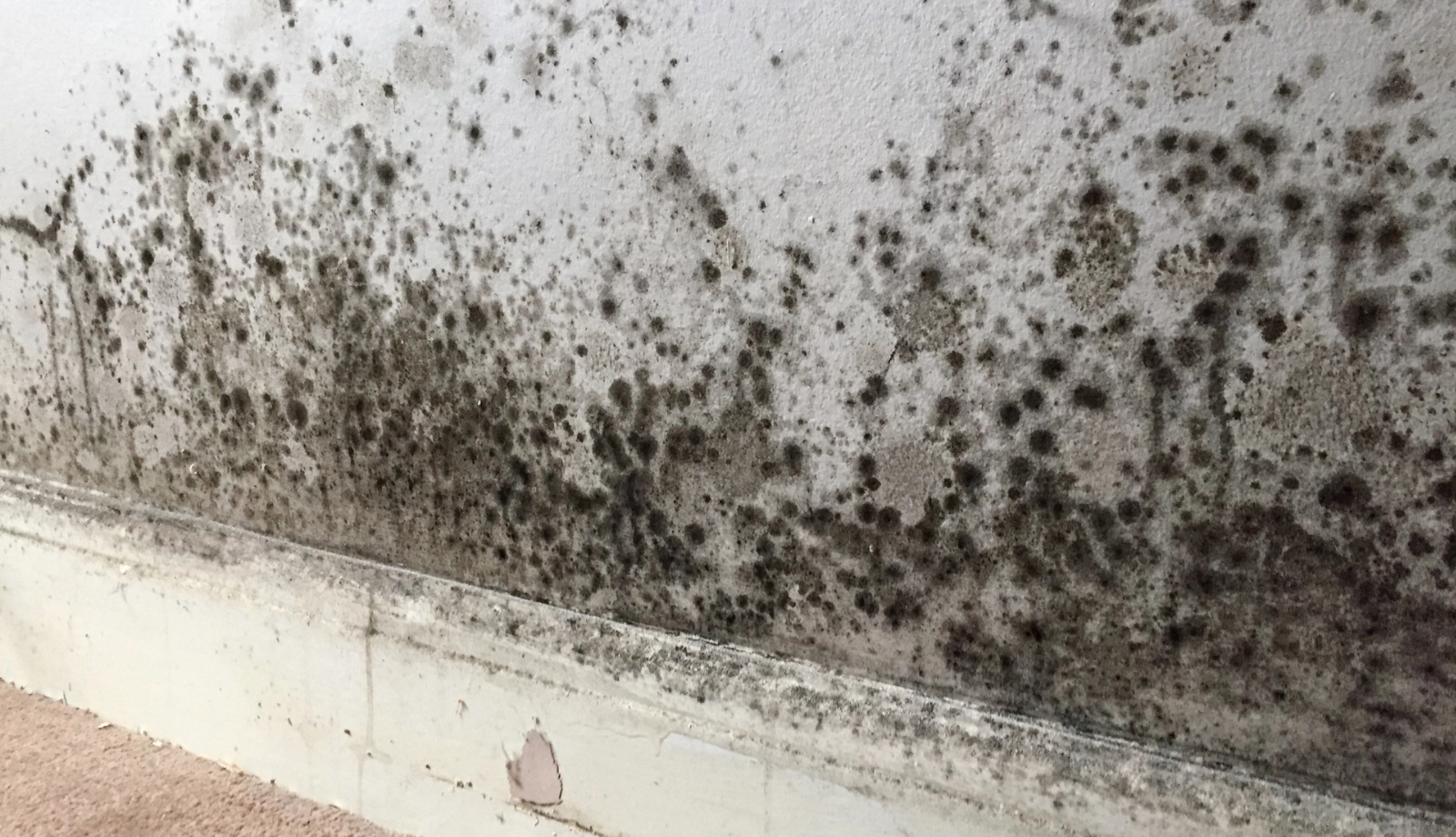
Mould needs three things to thrive: moisture, a surface it can thrive on and time.
In most cases, the biggest culprit isn’t a leaking roof or a burst pipe. It’s condensation.
Everyday household activities release moisture into the air. When warm, moisture-filled air meets cold walls and ceilings, tiny water droplets form. These damp surfaces create the perfect environment for mould to grow.
This is why mould is often found in bathrooms, bedrooms, kitchens and around windows.
Aside from not looking nice, mould can affect how your home feels to live in. It can leave rooms smelling damp, stain walls and ceilings, damage paint and make freshly decorated rooms look tired a lot sooner than they should.
Mould can also affect your health and wellbeing. Exposure to damp and mould has been linked to respiratory problems and can worsen allergies and conditions such as asthma, particularly in children and older adults.
For families, it’s something many homeowners simply don’t want around, especially in children’s bedrooms or rooms where people spend a lot of time.
Heroes Fact


Some homes just naturally experience more condensation than others. Older homes often have colder walls and less insulation, while modern homes are built to be more airtight, trapping warm air inside unless well ventilated.
Certain rooms have a bigger risk of mould than others. Bathrooms fill with steam, kitchens generate moisture and bedrooms produce moisture simply from breathing. Even furniture can play a part. Large wardrobes or sofas pushed right up against internal walls can restrict airflow, which can lead to mould growing.
The best way to stop mould from returning is to stop it from having the right conditions to grow. Simple changes, like using an extractor fan when cooking or opening windows for ventilation and keeping your home heated during the colder months, can all help lower condensation at home.
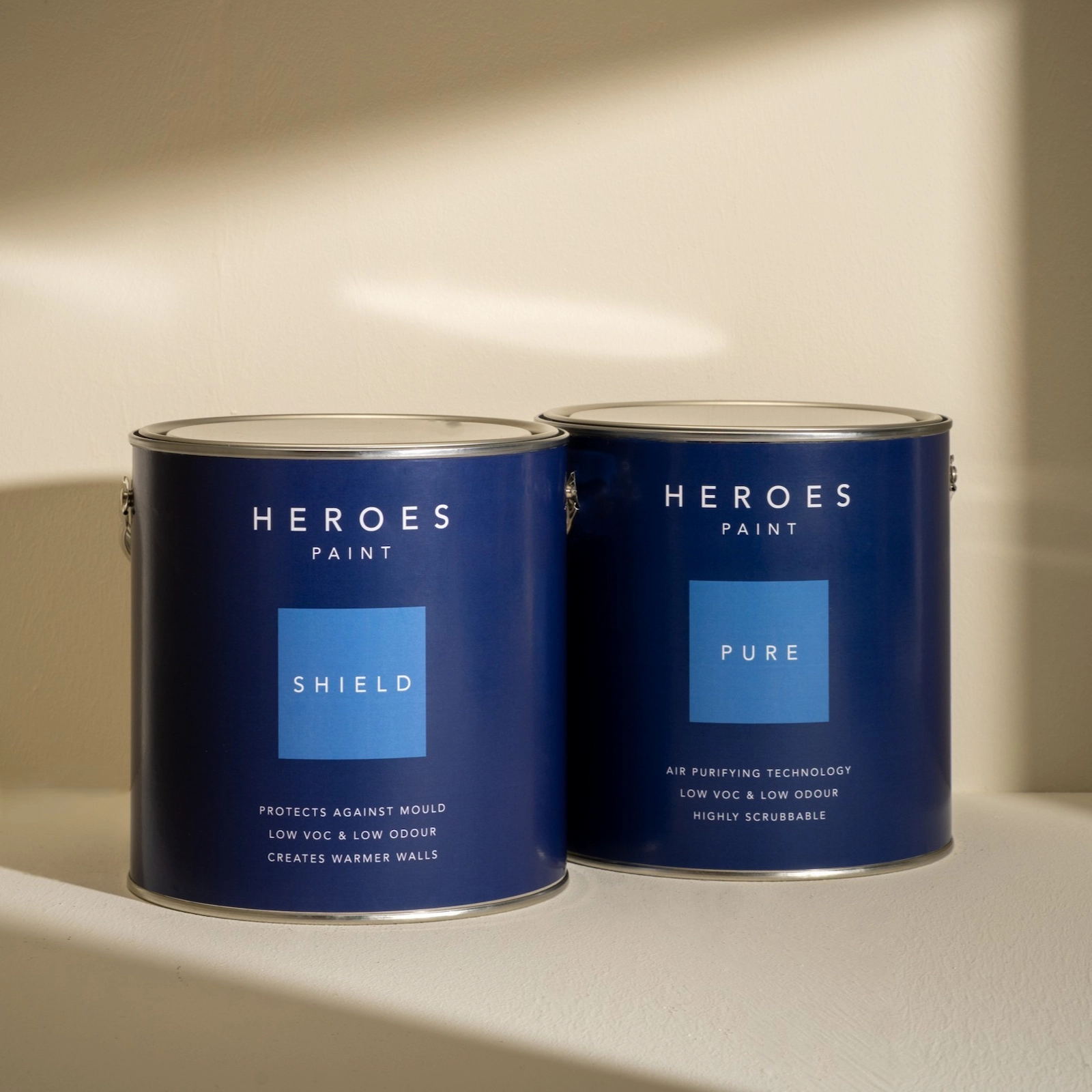
While these can make a real difference, they’re not always enough, especially in homes that are naturally prone to condensation. This is where Heroes Shield comes in.
Heroes Shield tackles the root cause of stubborn mould, so you’re not stuck dealing with the same problem year after year. Its clever Micro-sphere Technology, helps keep walls warmer, which reduces condensation. With less moisture on the surface, mould has far less chance to grow in the first place. Rather than simply covering the problem, Heroes Shield helps create an environment where mould struggles to develop, preventing it from even having a chance to start growing.
THE HEROES TECHNICAL TEAM
That’s right. Standard paint doesn’t stop condensation or prevent mould from growing if moisture is present. If the underlying conditions remain, mould can grow on newly decorated walls just as easily as older ones.
Mould releases tiny spores into the air, which can settle on other damp surfaces around your home. If the conditions are right, new mould can begin to grow in other rooms or on nearby walls.
Bathrooms, kitchens and bedrooms are the most common areas because they produce high levels of moisture through showering, cooking and even breathing while sleeping. Utility rooms where clothes are dried indoors are also particularly prone to mould.
Let's do it

£60.00
A smarter paint for a healthier home. Combines premium paint performance with air-purifying technology, so you can create a beautiful space that looks after your family for years to come.
Find out more
£30.00
Anti-mould paint that does things a bit differently. Helping you break the cycle of recurring mould, so you can enjoy a healthier home without the worry of it coming back.
Find out more
£25.00
Everything you need to get paint from the tin to the wall, without filling your toolkit with throwaway plastic. This decorating set brings together an eco paint tray, 9" roller and frame, 4" roller and frame, plus three eco-friendly brushes, giving you the kit to tackle everything from big stretches of wall to cutting in and those awkward little bits. The tools are made with more considered materials, including waste bamboo fibre and recycled plastic in the handles, while the brushes use 100% synthetic bristles designed to pick up plenty of paint to make your project even easier.
Find out more


