




Why’s my paint bubbling? Causes, prevention and fixing it properly

Heroes Technical Team
6th September 2026

Heroes Technical Team
6th September 2026
You’ve finally decorated your room, only to notice a couple of weeks later that bubbles are appearing beneath the paint. This is frustrating, unsightly and can leave many homeowners wondering where they went wrong.
Paint bubbling can be a common issue in some households, especially in rooms where moisture and condensation are common. While poor preparation can sometimes be the culprit, paint bubbling is often a sign of a bigger issue beneath the surface.
The good news is that bubbling paint can be prevented. In this blog, we will cover:
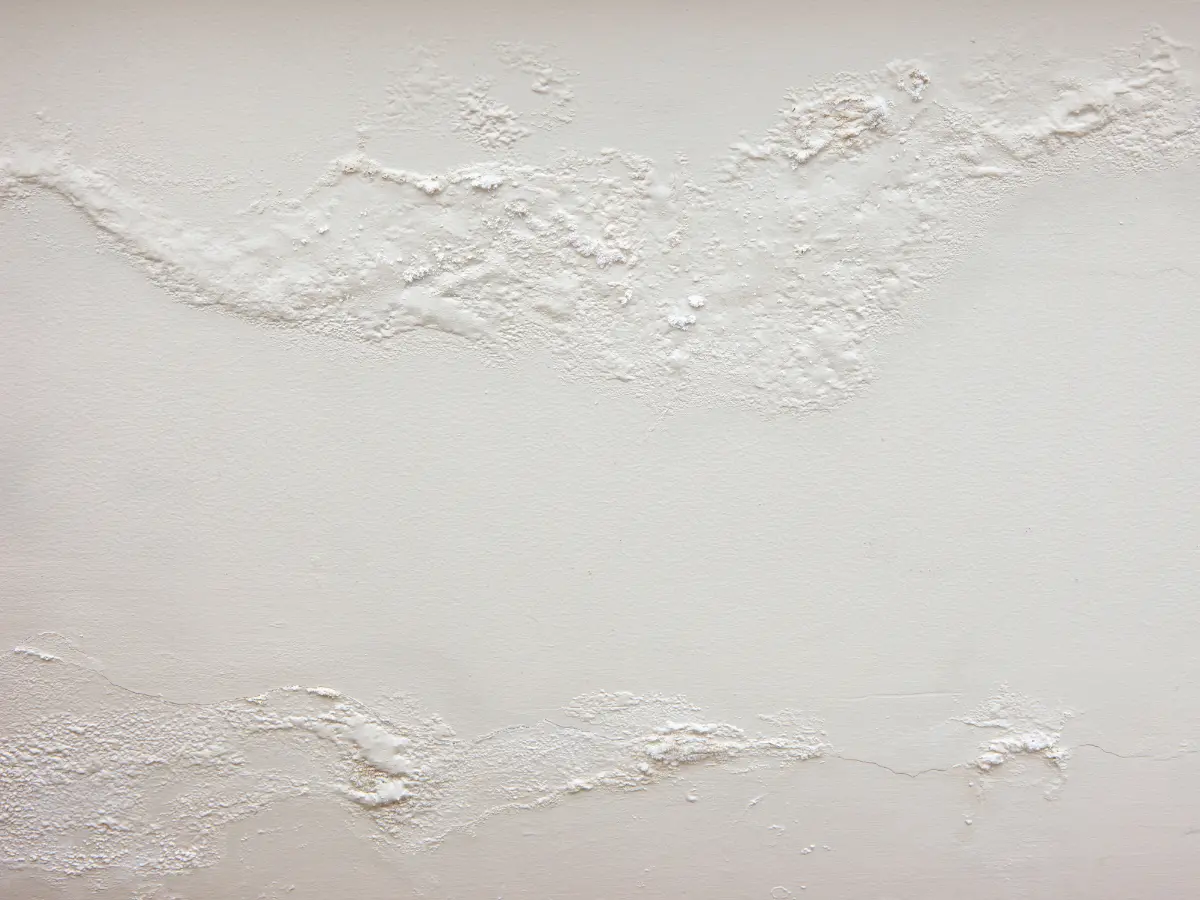
Bubbling paint is exactly what it sounds like: small or large bubbles that start to appear under the surface of the paint. Sometimes it can only be a few small blisters but other times paint can begin to lift away from the wall if the bubbles are large enough.
The most common areas that you might spot bubbling paint in your home could be:
These are all areas where condensation can build up.
Even though this might seem like a cosmetic issue, bubbling paint can be a sign that moisture is trapped. If this is untreated, the bubbles can burst, crack or peel away.
The key is understanding what is happening beneath the surface, so you can protect your walls before the problem has a chance to return.


For paint to adhere properly, your walls need to be clean and completely dry. If moisture gets trapped behind the paint, it has nowhere to go, so it pushes against the surface and creates bubbles.
This moisture can come from:
Condensation is one of the biggest causes of bubbling paint.
Everyday activities like cooking family meals, taking showers or drying clothes indoors all add moisture to the air. When that warm, damp air touches a cold wall, tiny droplets of water form on the surface.
Over time, this repeated build-up of moisture can cause paint to bubble and peel, while also creating the perfect conditions for mould to grow.
If the surface isn’t properly prepared, the paint may struggle to stick, making it more likely to lift or blister later.
Some of the most common causes include:
Taking extra time to prepare your walls properly will help create a smoother, longer lasting finish.
Heroes Fact
Before repairing the paint, it’s important to identify what’s causing the problem.
Once you’ve addressed the source of moisture:
If moisture remains trapped within the wall, the bubbling is likely to return regardless of how carefully you repaint.
Prevent the problem before it starts.
Fixing bubbling paint is only half the battle. If the moisture causing it isn’t dealt with, there’s a good chance the problem will return.
That’s why it’s important to tackle the root cause, not just repair the damage.
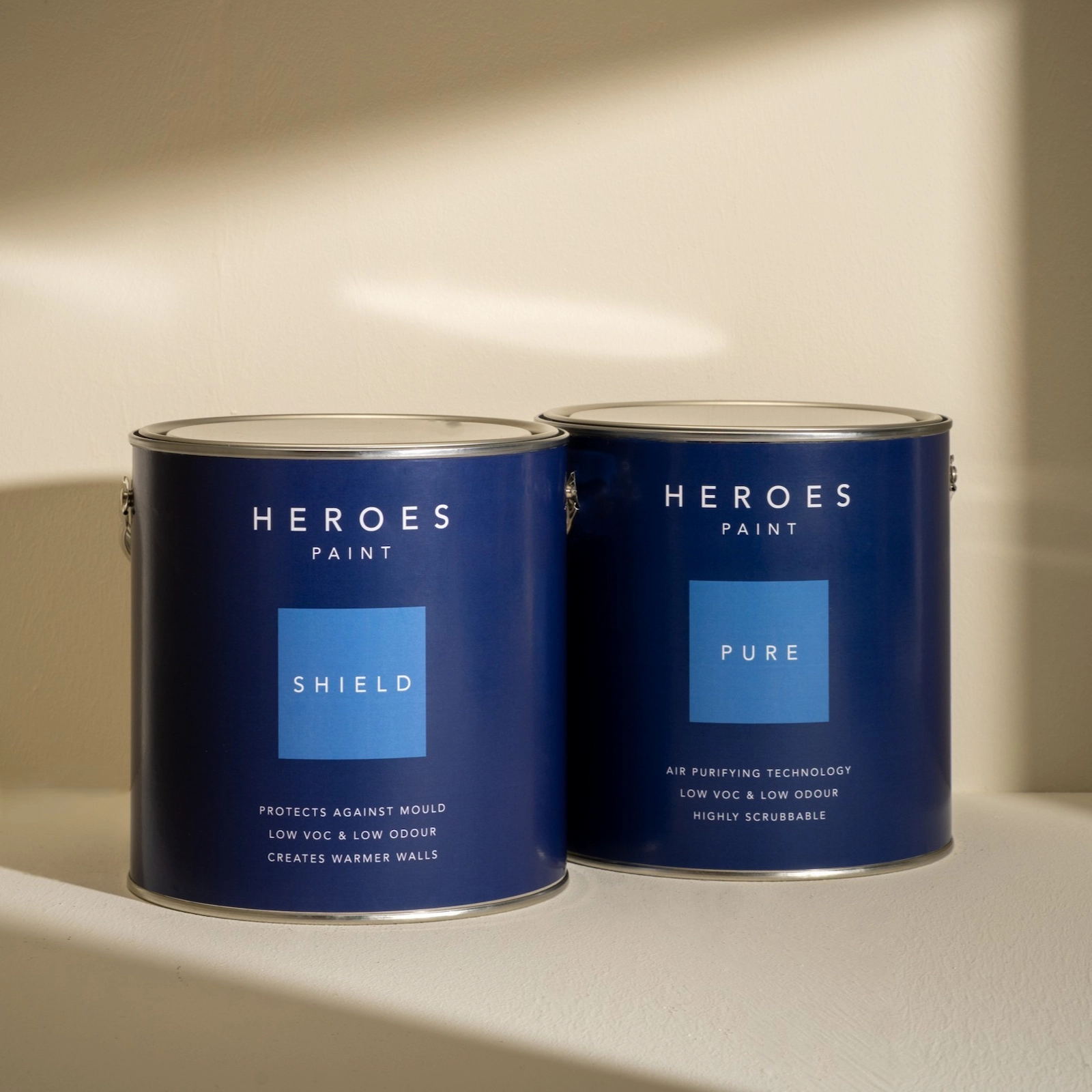
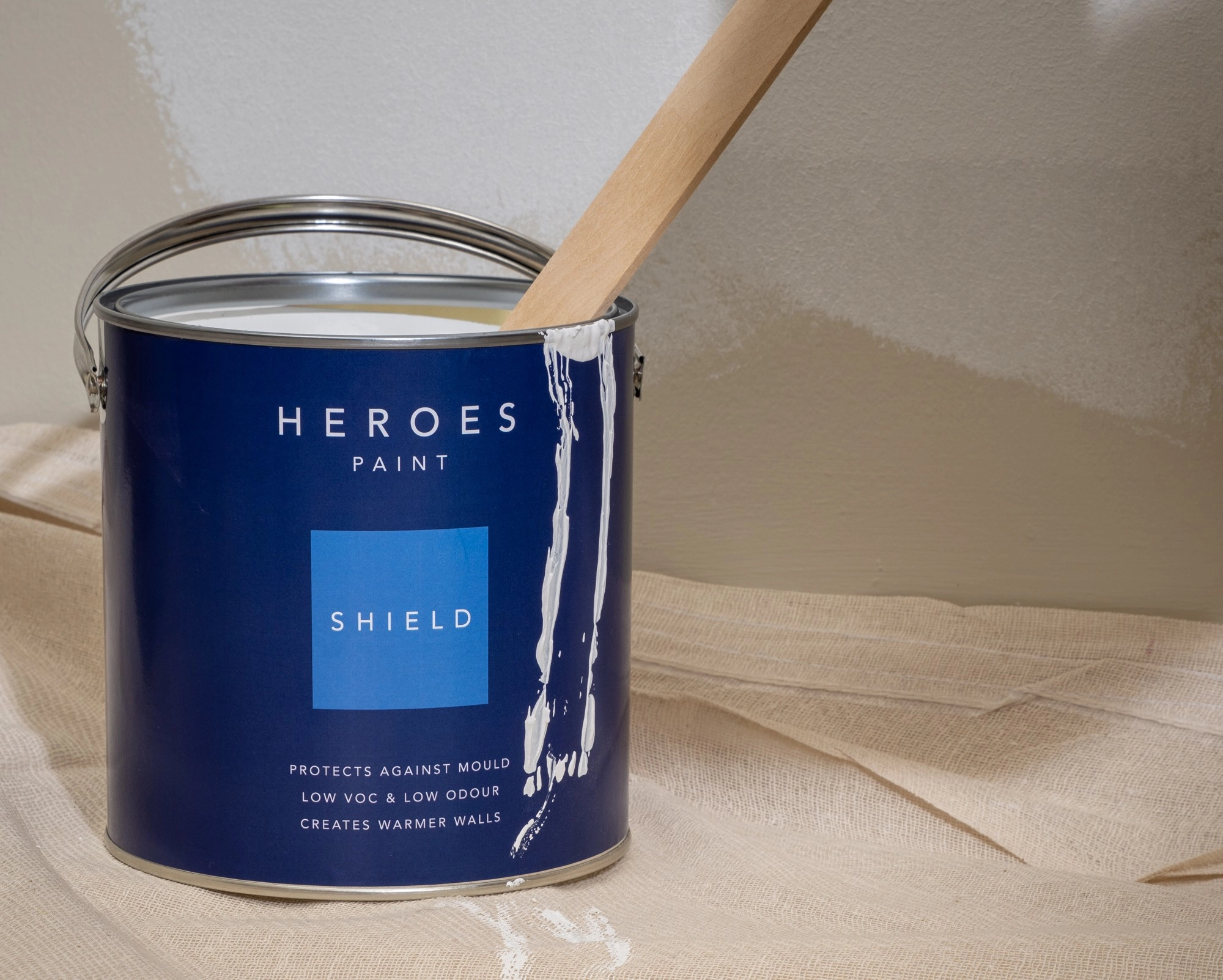
That’s where Heroes Shield comes in. It’s engineered to tackle one of the biggest causes behind bubbling paint and recurring mould, excess condensation.
Using advanced glass microsphere technology, Heroes Shield helps keep walls warmer, reducing condensation before it has a chance to settle on the surface.
With less condensation, your walls stay drier, making them a less welcoming environment for mould and helping reduce the moisture that can cause bubbling and peeling paint.
Let's do it

£60.00
A smarter paint for a healthier home. Combines premium paint performance with air-purifying technology, so you can create a beautiful space that looks after your family for years to come.
Find out more
£30.00
Anti-mould paint that does things a bit differently. Helping you break the cycle of recurring mould, so you can enjoy a healthier home without the worry of it coming back.
Find out more
£30.00
Good paint deserves better than a throwaway brush. This trio puts waste materials back to work, with handles made from waste bamboo fibre and recycled plastic, paired with 100% synthetic bristles that pick up plenty of paint and release it smoothly onto your walls.
Find out moreTHE HEROES TECHNICAL TEAM
Mould doesn’t directly cause paint to bubble, but the damp conditions that allow mould to grow can also cause paint to blister and peel. If you’ve noticed bubbling paint alongside mould, excess moisture is usually the real cause. Tackling the moisture problem will help stop both from coming back.
These rooms produce the highest levels of moisture from showers, baths and cooking. Without proper ventilation, condensation regularly forms on colder walls, increasing the risk of bubbling paint and mould.


